Genetic Morphs
Silkback
Bearded Dragon
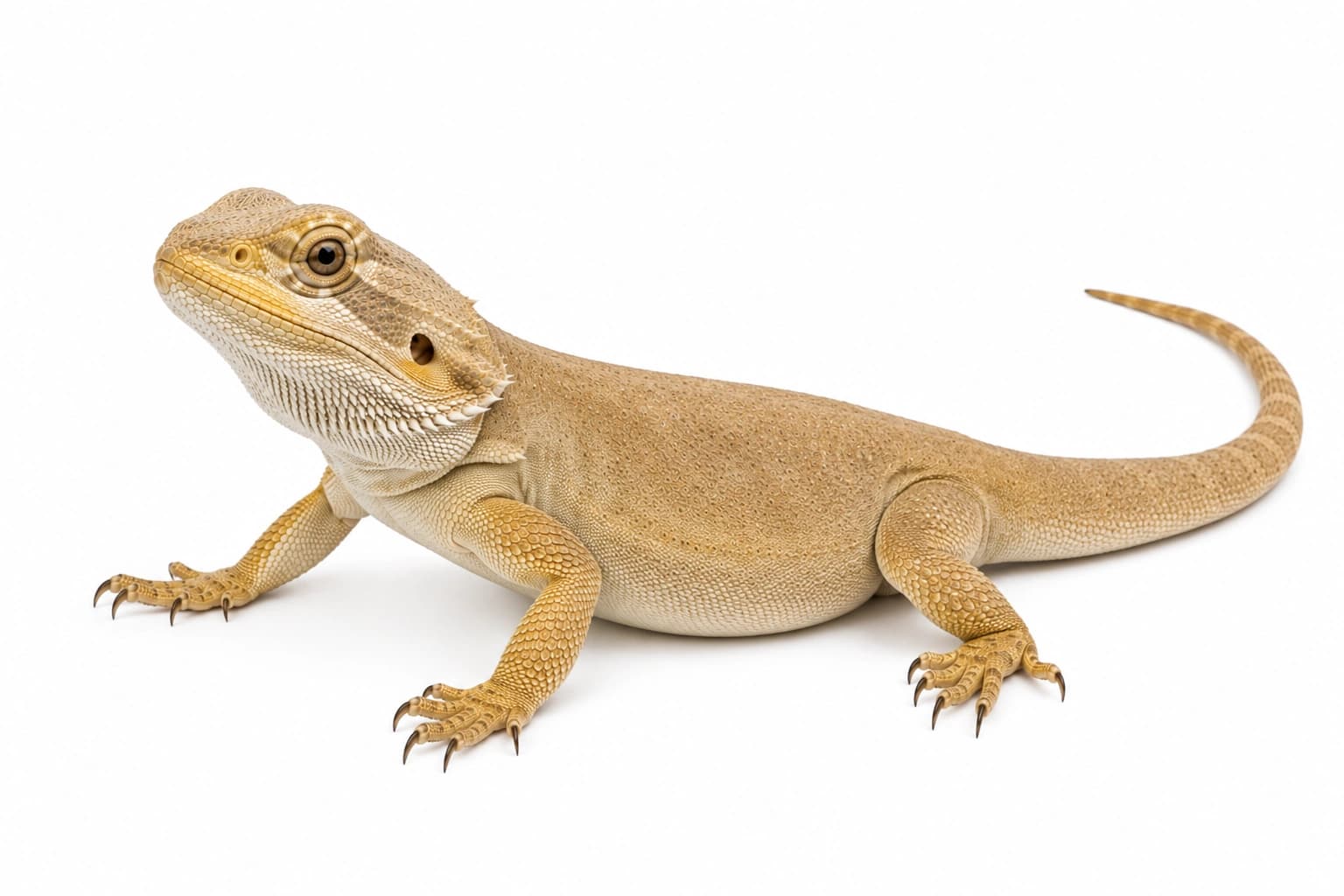
The homozygous form associated with Leatherback genetics, recognised by nearly scaleless skin and significant lifelong welfare needs.
The Silkback Bearded Dragon is the homozygous or super form associated with the incomplete-dominant Leatherback scale mutation. Silkbacks are nearly or completely scaleless, leaving delicate skin without the ordinary physical protection provided by reptile scales. This creates substantial care requirements and serious welfare concerns.
Trait type
Homozygous scaleless form
Inheritance
Two Leatherback-associated alleles
Body scales
Nearly or completely absent
Skin
Fragile and exposed
Care level
Specialised
Welfare status
Serious concerns
Morph DNA
Silkback Morph Profile
trait
Silkback
trait Type
Homozygous expression of the incomplete-dominant Leatherback-associated scale mutation
inheritance
A Silkback inherits one Leatherback-associated allele from each parent
visual Expression
Nearly or completely absent scales, smooth exposed skin and loss of normal protective spiking
hidden Traits
Silkback is visually obvious and is not a hidden carrier state
beginner Friendly
No. Silkbacks require specialised lifelong management and are not recommended for inexperienced keepers
Morph Overview
What Is a Silkback Bearded Dragon?
The Silkback Bearded Dragon is the nearly or completely scaleless form associated with Leatherback genetics.
Leatherback is an incomplete-dominant scale trait. A dragon with one copy of the relevant allele displays the reduced-scale Leatherback phenotype.
A dragon inheriting two copies displays the homozygous or super form known as Silkback.
Unlike Leatherbacks, Silkbacks do not merely have smaller dorsal scales. They lack most or all normal protective scalation across the back, sides, limbs, tail and underside.
The body surface appears extremely smooth, soft and sometimes glossy. Ordinary dorsal spikes, side spikes and much of the normal beard scalation are absent or drastically reduced.
The lack of scales allows colour to appear exceptionally vivid because raised scales no longer interrupt the visible pigmentation.
This striking appearance comes with serious welfare costs.
Scales protect reptile skin from abrasion, biting, environmental surfaces, water loss and other physical damage. Silkbacks lack much of this natural protection.
Their skin is vulnerable to scratches, cuts, burns, retained shed, dehydration and injuries that would be less serious in a normally scaled dragon.
Silkbacks can also be injured during mating because Bearded Dragon courtship and copulation involve biting and physical restraint.
For this reason, producing or breeding Silkbacks is widely considered ethically problematic.
MorphMarket identifies fragile skin as an issue associated with the homozygous Leatherback form and does not currently support Silkback sales.
Silkback should not be presented as an ordinary colour morph or a beginner-friendly pet.
Existing Silkbacks still deserve knowledgeable, compassionate lifelong care. Their needs should be discussed honestly without encouraging further intentional production.
Silkback is not the same as Leatherback. Leatherbacks retain protective scales and normally require standard husbandry. Silkbacks are scaleless and require substantial adjustments to reduce injury and support skin health.
Head Details
Head, Beard and Facial Skin
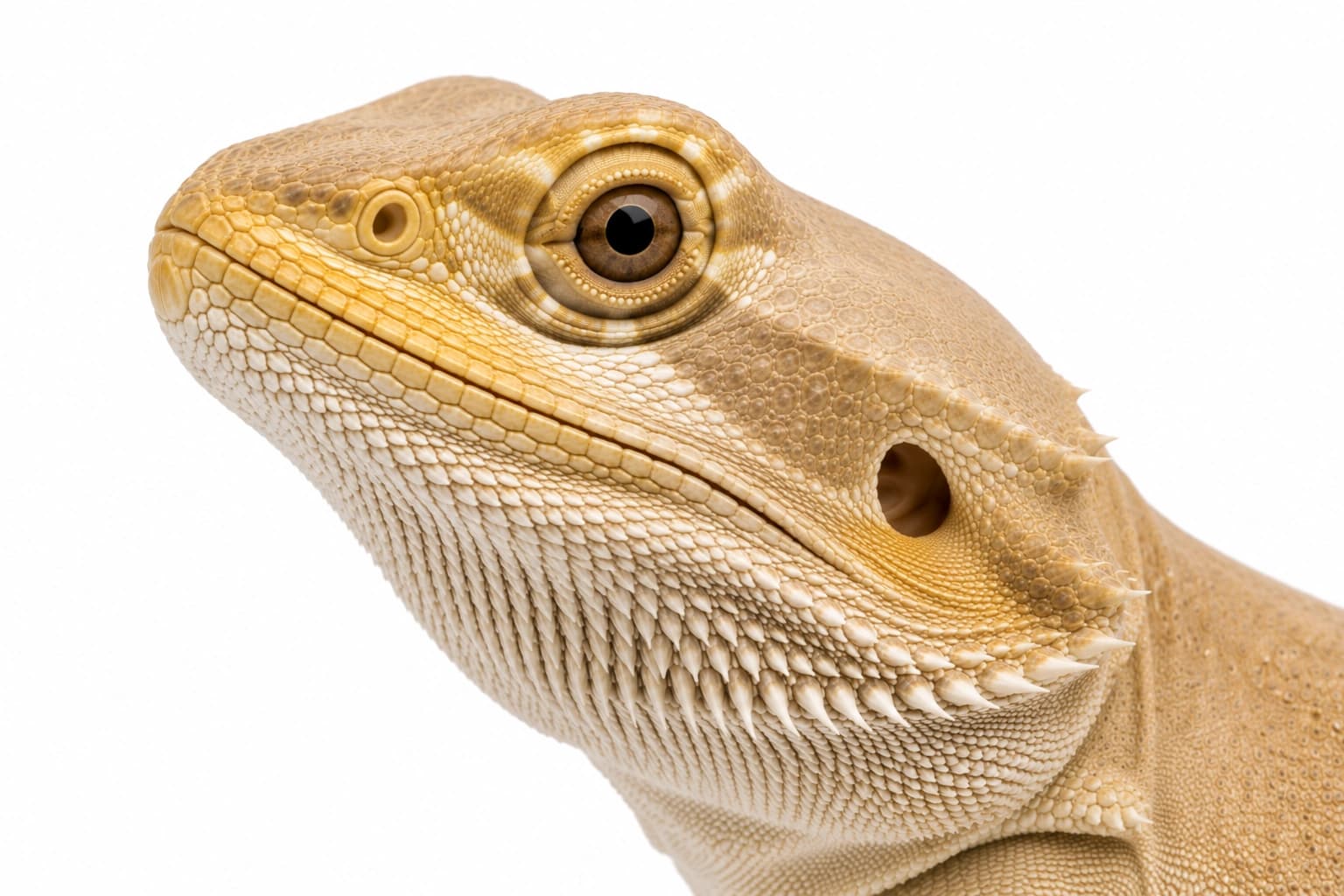
The head of a Silkback Bearded Dragon retains the broad triangular shape and general anatomy typical of Pogona vitticeps.
The major difference is the severe reduction or absence of ordinary facial, jaw and beard scalation.
The brow, cheeks and sides of the head may appear unusually smooth. Beard spikes can be absent, extremely small or greatly reduced.
The expandable beard remains anatomically present and can still darken during stress, courtship and territorial behaviour.
Because protective scales are reduced, the head and beard are vulnerable to abrasion from enclosure surfaces, feeding equipment and contact with other animals.
The eyes normally retain a visible iris and pupil unless another trait, such as Translucent, is also present.
Silkback is not albinism and does not inherently produce red or pink eyes.
Skin around the mouth, eyelids and beard should be checked regularly for retained shed, irritation, swelling and injury.
Any persistent redness, damaged tissue, abnormal discharge or difficulty opening the eyes or mouth should be assessed by a reptile-experienced veterinarian.
Characteristic Feature
Nearly or Completely Scaleless Skin
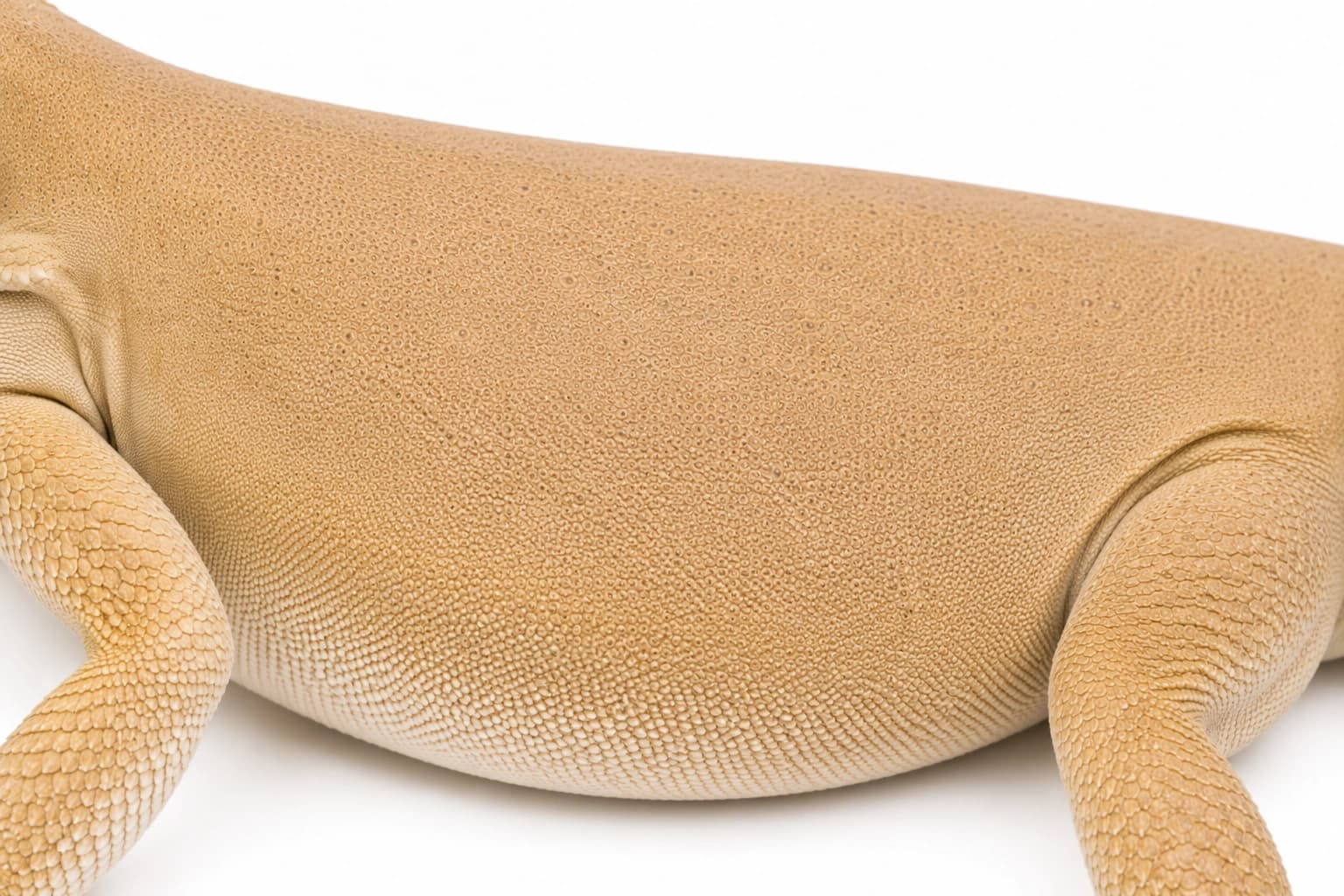
The defining characteristic of Silkback is the near-complete or complete absence of normal body scales.
A Normal Bearded Dragon has large dorsal scales, prominent spikes and a rough protective surface.
A Leatherback has smaller dorsal scales and a smoother back but remains visibly scaled.
A Silkback has exposed skin with little or no ordinary scalation across the back, sides, limbs and underside.
This is not merely a cosmetic difference. Scales form an important protective barrier.
Without them, the skin is more vulnerable to rubbing, cuts, biting, burns, retained shed and environmental damage.
The feature is visible throughout life and should not be confused with scale loss caused by injury, burns or disease.
Injury-related scale loss is localised and irregular. Silkback scalelessness affects the body broadly and is genetically present from hatching.
The absence of ordinary side spikes and dorsal spikes provides one of the clearest visual differences from Leatherback.
Skin should be smooth and intact rather than cracked, inflamed or wounded. Damaged skin is a medical concern, not a normal part of the morph.
Identification Guide
How to Identify a Silkback Bearded Dragon
Silkback is usually easy to identify because of the widespread absence of ordinary scales.
Begin by examining the back and sides. A Silkback should have smooth exposed skin rather than rows of small or large scales.
Inspect the lateral body. Normal side spikes should be absent or severely reduced.
Inspect the head and beard. Facial and beard scales are greatly reduced compared with Normal and Leatherback dragons.
Examine the underside and limbs. Scalelessness should affect multiple body regions rather than one isolated patch.
Compare the animal with Leatherback. Leatherbacks remain scaled and usually retain side spikes, beard spikes and visible fine dorsal scalation.
A smooth dragon is not automatically Silkback. Burns, scars, bites, infection and developmental injuries can damage scales locally.
Silkback scalelessness is widespread, symmetrical and present from hatching.
The morph should be identified independently from colour. Vivid red, orange or yellow pigmentation does not create Silkback.
The eyes and claws should also be assessed separately. Dark eyes may indicate Translucent, while clear claws may indicate Hypo.
Identification should include a careful assessment of skin condition. Open wounds, redness, crusting, swelling and retained shed require attention and should not be dismissed as ordinary Silkback appearance.
Reliable lineage helps confirm the genetic origin and identifies the Leatherback-associated pairing that produced the homozygous form.
Juvenile Development
What Does a Juvenile Silkback Bearded Dragon Look Like?
Juvenile Silkback Bearded Dragons are nearly or completely scaleless from hatching.
Their skin appears smooth, soft and exposed rather than covered with the rough dorsal scales and spikes expected in a Normal juvenile.
The side spikes, dorsal spikes and beard scalation are absent or severely reduced.
Colour and pattern can appear unusually vivid because no raised scales interrupt the visible pigmentation.
Young Silkbacks may be brown, yellow, orange, red, grey or another colour depending on their wider genetic background.
The skin is delicate from the beginning of life. Rough surfaces, sharp enclosure decorations, bites and excessive physical contact can cause injuries.
Juveniles may also experience difficult or retained shed because they lack the ordinary scale structure that supports typical shedding.
Their enclosure requires careful inspection for abrasive surfaces, sharp edges and overheating risks.
A hatchling should still demonstrate appropriate alertness, movement, feeding response and growth.
Weakness, repeated failure to feed, open wounds, persistent retained shed or abnormal movement should be treated as health concerns rather than accepted as normal Silkback characteristics.
Because juvenile Silkbacks require specialised management, they are not suitable for inexperienced keepers.
Their care needs should be explained honestly to any person responsible for an existing Silkback.
Appearance
Silkback Bearded Dragon Appearance
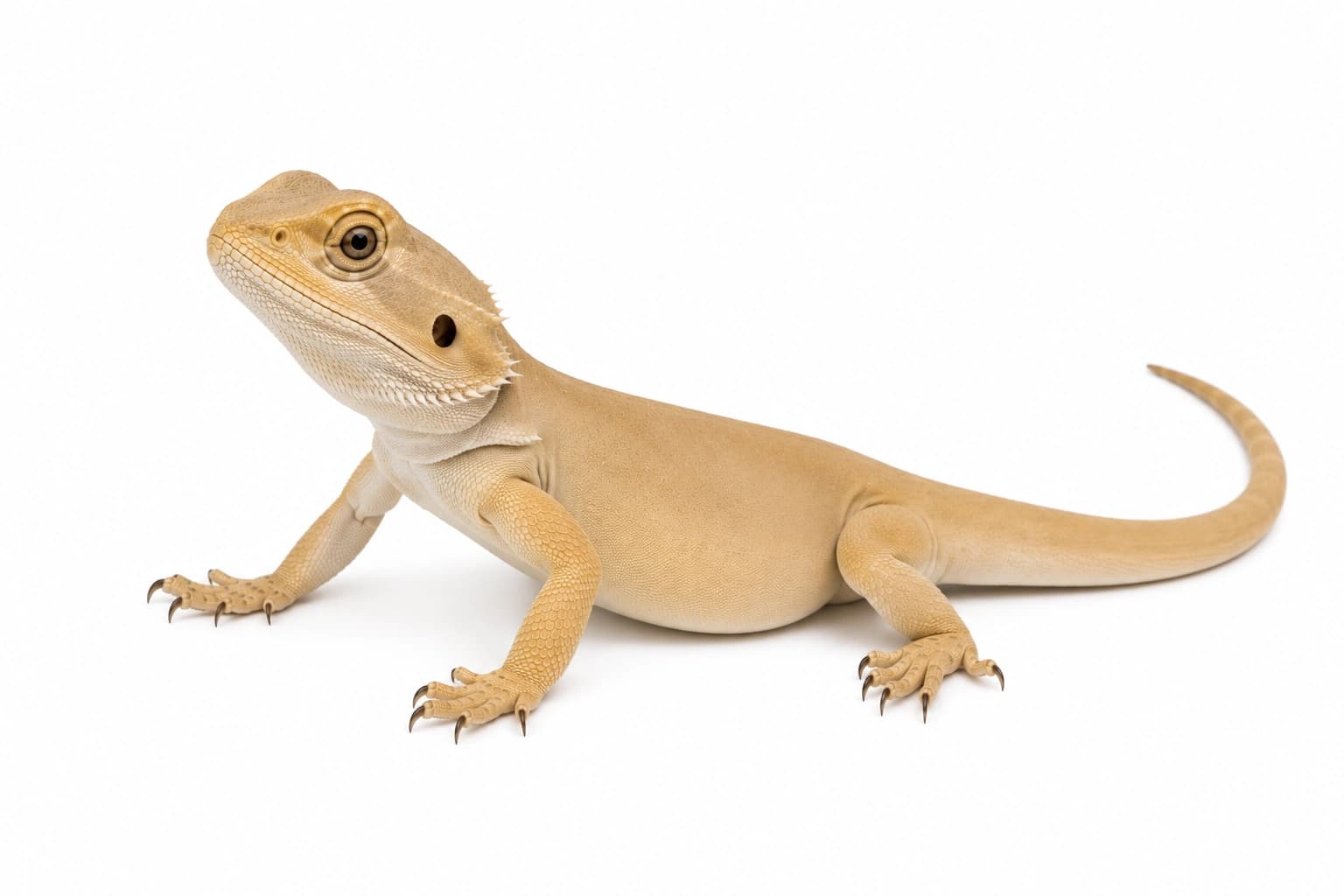
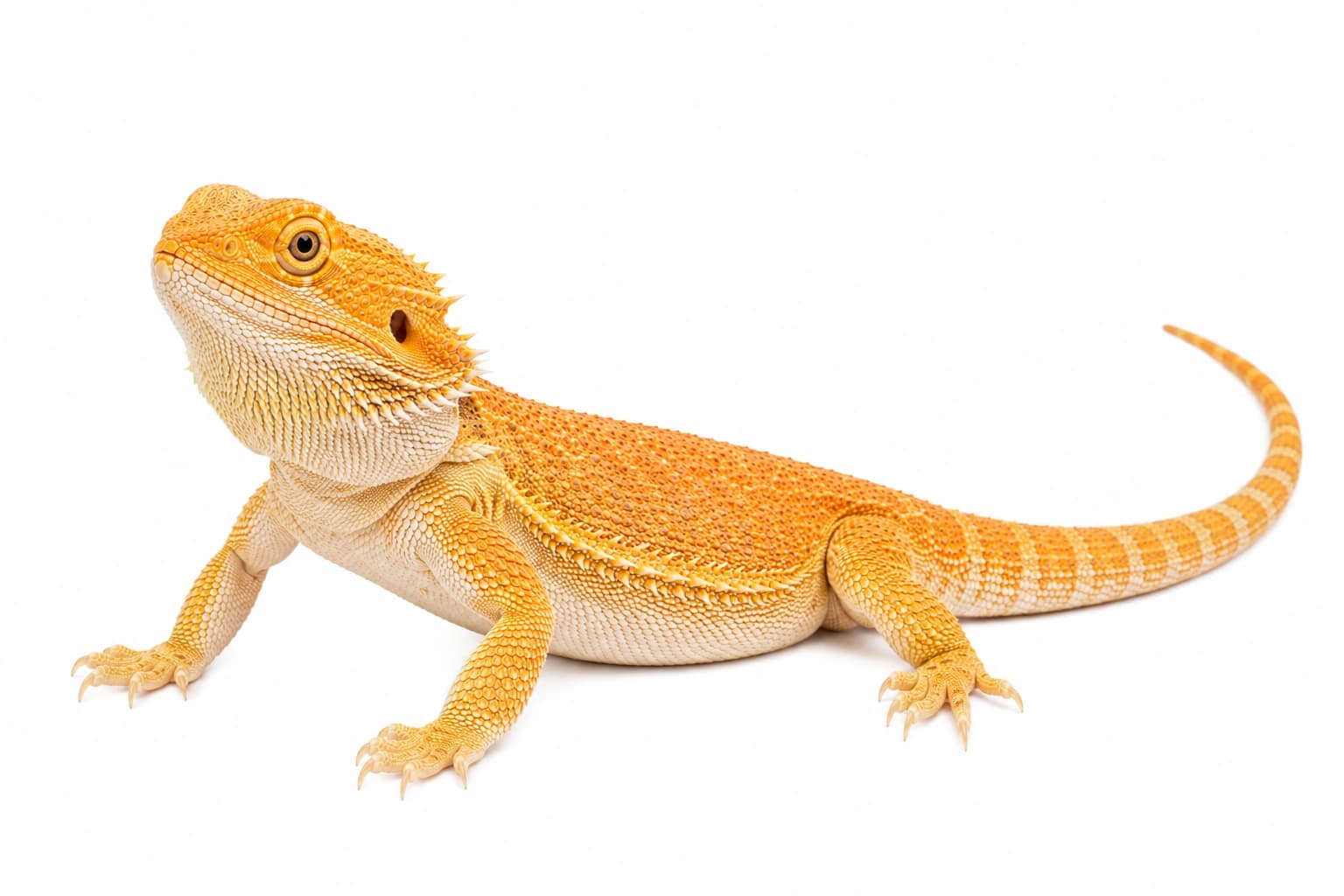
Silkback Bearded Dragons have an unmistakably smooth and nearly scaleless appearance.
The normal rough dorsal scales, central spikes, side spikes and much of the ordinary beard scalation are absent or severely reduced.
The body surface looks like exposed skin rather than a conventional reptile scale covering.
Fine folds, wrinkles and natural skin texture may be visible across the neck, sides, limbs and joints.
Colour and pattern can appear exceptionally vivid because no large scales interrupt the surface.
Silkback does not create a particular colour. Individuals may be brown, yellow, orange, red, grey or another colour depending on their wider genetics and selective breeding history.
The skin may appear glossy, satin-like or slightly translucent under strong lighting.
The absence of scales should not be confused with the smoother back of a Leatherback.
A Leatherback retains small protective scales, side spikes and beard scales. A Silkback lacks most or all ordinary body scalation.
The eyes are not changed by Silkback alone. Extremely dark eyes may indicate Translucent, while pigmentation and claw colour can be influenced by Hypo.
Skin condition must be evaluated carefully. Redness, cracks, open wounds, swelling, burns and retained shed should not be treated as normal features of Silkback.
Because the skin is exposed, small injuries may be much easier to see and may progress more rapidly than in a scaled dragon.
A healthy Silkback should still display appropriate body condition, movement, alertness and behaviour despite its unusual skin.
Adult Development
Adult Silkback Bearded Dragon
Adult Silkback Bearded Dragons retain the nearly or completely scaleless appearance visible from hatching.
The skin remains smooth, exposed and highly vulnerable to physical damage throughout life.
Adult body colour can appear exceptionally vivid because scales do not interrupt the visible pigmentation.
Red, orange, yellow, brown, grey and patternless combinations can all occur depending on other inherited traits.
The absence of ordinary dorsal spikes, side spikes and beard scales creates a very different silhouette from Normal and Leatherback dragons.
Skin folds and wrinkles may become visible around the neck, limbs and sides as the dragon moves.
A healthy adult should maintain appropriate body condition, muscle tone, activity and behaviour despite its scaleless appearance.
The skin should remain intact. Cracking, persistent redness, wounds, swelling, crusting and abnormal discolouration are not desirable characteristics of the morph.
Adults remain vulnerable to rubbing, burns, bites and mating injuries.
Environmental surfaces that would be harmless to a scaled dragon may damage a Silkback through repeated contact.
Adult Silkbacks require lifelong monitoring of skin integrity, hydration, shedding and enclosure safety.
They do not grow protective scales with age and cannot transition into an ordinary Leatherback or Normal-scaled phenotype.
Genetics
Silkback Genetics and Inheritance
Silkback is the homozygous form associated with the incomplete-dominant Leatherback scale mutation.
Incomplete dominance produces three visually distinguishable outcomes.
A dragon inheriting no Leatherback-associated allele has standard scales and is visually Normal for this trait.
A dragon inheriting one copy displays the Leatherback phenotype. Leatherbacks have reduced dorsal scales and a smoother back but retain protective scalation.
A dragon inheriting two copies displays the Silkback phenotype. Silkbacks are nearly or completely scaleless.
This relationship means that Silkback is not an independent recessive morph unrelated to Leatherback. It is the two-copy expression of the same incomplete-dominant scale system.
Pairing two Leatherbacks is expected to produce approximately:
• 25% Normal-scaled
• 50% Leatherback
• 25% Silkback
Pairing a Silkback with a Normal-scaled non-Leatherback is genetically expected to produce 100% Leatherback offspring.
Every baby receives one Leatherback-associated allele from the Silkback parent and a normal allele from the Normal-scaled parent.
Pairing a Silkback with a Leatherback is expected to produce approximately:
• 50% Leatherback
• 50% Silkback
Pairing two Silkbacks is expected to produce 100% Silkback offspring.
Genetic possibility does not make every pairing ethically acceptable.
Pairings involving Silkbacks can expose the scaleless parent to injury, while Leatherback × Leatherback and other combinations can intentionally produce scaleless offspring with lifelong welfare needs.
The terms homozygous Leatherback and Super Leatherback are sometimes used for Silkback. Beardie App uses Silkback as the primary phenotype name because it clearly distinguishes the scaleless form from the scaled Leatherback form.
Silkback can also inherit independent pigment and pattern traits such as Hypo, Translucent, Zero and Witblits. These additional genes do not restore protective scales.
Inheritance
Homozygous form within an incomplete-dominant scale system
Normal-scaled
No Leatherback-associated allele; standard protective scales
Leatherback
One copy; reduced dorsal scales with protective scalation retained
Silkback
Two copies; nearly or completely scaleless
Leatherback × Leatherback
Approximately 25% Normal, 50% Leatherback and 25% Silkback
Silkback × Normal
Genetically expected to produce 100% Leatherback offspring
Care Guide
Caring for a Silkback Bearded Dragon
Silkback Bearded Dragons require substantially more specialised care than scaled Bearded Dragons.
The absence of protective scales makes their skin vulnerable to abrasion, cuts, burns, bites, retained shed and environmental damage.
The enclosure must be examined carefully for rough surfaces, sharp edges, exposed screws, abrasive decorations and narrow spaces where the skin could rub repeatedly.
Furnishings should provide secure climbing and enrichment without creating avoidable injury risks. Completely empty housing may reduce some hazards but can also prevent natural behaviour, so the goal is safe enrichment rather than deprivation.
Silkbacks should be housed individually. Contact with another Bearded Dragon can result in bites, scratches, competition and serious skin injury.
A suitable enclosure still requires a basking zone, cooler area, hides and appropriate environmental gradients.
Heating equipment must be positioned safely. Exposed skin may be especially vulnerable to burns, so basking surfaces and lamp distances must be assessed carefully.
Surface temperatures should be measured with reliable equipment. Heat rocks and other uncontrolled contact heaters should not be used.
A suitable linear UVB system remains essential for calcium metabolism and skeletal health.
A Silkback should have access to an appropriate UVB gradient together with shade and lower-exposure areas. UVB should not simply be removed because the animal lacks scales.
Because evidence-based morph-specific UVB research is limited, lighting decisions should be guided by enclosure measurements, the individual animal's response and advice from a reptile-experienced veterinarian.
Shedding requires close monitoring. Scaleless skin may shed in irregular sheets or patches and can become retained around the limbs, toes, tail, eyes and mouth.
Retained shed should never be pulled forcibly. Forceful removal can tear the exposed skin and create open wounds.
Routine soaking should not automatically be treated as a universal solution. Excessive bathing may stress the animal or affect skin condition. Hydration and shedding support should be tailored to the individual with veterinary guidance.
Do not apply oils, lotions, creams or human skincare products without veterinary direction. Products can irritate the skin, trap debris, alter heat transfer or be ingested during grooming.
The enclosure should remain clean and dry without becoming excessively dusty or abrasive. Waste should be removed promptly to reduce contamination of damaged skin.
Diet should remain appropriate for Pogona vitticeps. Juveniles generally consume a greater proportion of nutritious live invertebrates, while healthy adults usually eat a larger proportion of leafy greens and safe vegetables.
Calcium and vitamin supplementation should be used alongside suitable UVB exposure and a balanced diet.
The skin should be checked every day for redness, cracks, retained shed, swelling, burns, cuts, discharge and abnormal discolouration.
Open wounds, persistent inflammation, abnormal shedding or suspected infection require prompt assessment by a veterinarian experienced in reptile medicine.
Individual housing
House Silkbacks alone to reduce the risk of bites, scratches, competition and skin injury.
Safe enclosure
Remove sharp edges and abrasive surfaces while retaining safe opportunities for climbing, hiding and enrichment.
Heating
Measure basking surfaces accurately and prevent direct contact with uncontrolled heating equipment.
UVB
Provide an appropriate linear UVB gradient with access to shade; do not remove essential UVB solely because the animal is scaleless.
Shedding
Monitor every shed carefully and never pull retained skin forcibly from exposed tissue.
Skin products
Do not use oils, lotions or human skincare products without direction from a reptile-experienced veterinarian.
Hygiene
Remove waste promptly and keep enclosure surfaces clean to reduce contamination of damaged skin.
Daily inspection
Check the entire body for redness, cracking, burns, cuts, swelling, retained shed and discharge.
Veterinary care
Seek prompt veterinary assessment for wounds, persistent inflammation, abnormal shedding or suspected infection.
Breeding
Silkback Breeding and Genetic Outcomes
Breeding Silkback Bearded Dragons raises serious and unavoidable welfare concerns.
The scaleless skin of a Silkback is vulnerable to injury during ordinary Bearded Dragon mating behaviour.
Courtship and copulation can involve biting, gripping and physical restraint. These actions may damage exposed skin that lacks the protection of ordinary scales.
Female Silkbacks may be particularly vulnerable because males commonly bite and hold the female during mating.
Even when a Silkback parent avoids obvious injury, the pairing may intentionally produce additional scaleless offspring with the same lifelong vulnerabilities.
Leatherback × Leatherback pairings are expected to produce approximately 25% Silkbacks.
Silkback × Leatherback pairings are expected to produce approximately 50% Silkbacks.
Silkback × Silkback pairings are expected to produce 100% Silkbacks.
These outcomes are genetically predictable. Producing compromised scaleless offspring should therefore not be treated as an accidental or unexpected result.
A Silkback × Normal-scaled pairing is genetically expected to produce Leatherbacks rather than Silkbacks, but breeding still exposes the Silkback parent to mating-related injury and reproductive stress.
MorphMarket identifies fragile skin as an issue associated with the homozygous Leatherback form and does not currently support Silkback sales.
Responsible breeding should prioritise health and welfare over novelty, colour, rarity or commercial demand.
Existing Silkbacks deserve appropriate care and veterinary support. A decision not to produce more Silkbacks does not reduce the value of animals already alive.
Beardie App does not recommend intentionally breeding Silkbacks or selecting pairings expected to produce Silkback offspring.
Leatherback × Leatherback
Expected approximately 25% Normal-scaled, 50% Leatherback and 25% Silkback offspring. This pairing is discouraged because it predictably produces scaleless animals with serious welfare needs.
Silkback × Normal-scaled
Genetically expected to produce 100% Leatherback offspring. Breeding is still discouraged because mating can injure the scaleless Silkback parent.
Silkback × Leatherback
Expected approximately 50% Leatherback and 50% Silkback offspring. This pairing is strongly discouraged because it exposes the Silkback parent to risk and deliberately produces additional scaleless offspring.
Silkback × Silkback
Genetically expected to produce 100% Silkback offspring. This pairing is strongly discouraged because both parents are vulnerable to injury and every offspring would inherit the scaleless phenotype.
Hypo Silkback × Normal-scaled
Expected to produce Leatherback offspring carrying or expressing Hypo according to the second parent's genetics. The Silkback parent remains vulnerable to mating-related injury, so the pairing is not recommended.
Silkback × Zero Leatherback
Can produce both Leatherback and Silkback offspring carrying Zero genetics. The pairing is discouraged because it can produce scaleless offspring and exposes the Silkback parent to breeding risks.
Silkback Breeding Is Not Recommended
Silkbacks lack the normal protective scales of Pogona vitticeps. Their skin is vulnerable to biting, gripping, abrasion and other physical trauma associated with mating. Pairings involving Silkbacks may injure the scaleless parent. Pairing two Leatherbacks can also produce Silkbacks even when neither parent is itself scaleless. Because the genetic outcomes are predictable, breeders can avoid producing Silkbacks by avoiding Leatherback × Leatherback, Leatherback × Silkback and Silkback × Silkback combinations. Existing Silkbacks deserve compassionate, knowledgeable lifelong care. However, intentionally producing additional animals with the same preventable vulnerabilities raises substantial ethical concerns. Beardie App does not recommend breeding Silkbacks or planning pairings expected to produce Silkback offspring.
Identification Mistakes
Common Misidentifications
Silkback vs Leatherback
Leatherbacks retain small protective scales, side spikes and beard scales. Silkbacks are nearly or completely scaleless and have exposed, fragile skin.
View comparison morph →Silkback vs Normal
Normal dragons have prominent dorsal scales and spikes. Silkbacks lack the ordinary protective scalation across most or all of the body.
View comparison morph →Silkback vs damaged scales
Burns, bites, scars and skin disease may cause localised scale loss. Silkback scalelessness is widespread, genetically inherited and visible from hatching.
Silkback vs shedding Leatherback
A Leatherback approaching a shed may look unusually smooth or dull but retains fine scales. A Silkback lacks ordinary scales regardless of shedding stage.
View comparison morph →Silkback vs Microscale
Microscale terminology is used inconsistently within the hobby for strongly reduced scalation. A true Silkback is the homozygous nearly scaleless form associated with Leatherback genetics.
Silkback vs vivid colour morph
Bright red, orange or yellow pigmentation does not identify Silkback. Identification depends on the absence of scales rather than colour.
Morph Comparison
How Silkback Compares With Other Morphs
Frequently Asked Questions
Silkback Bearded Dragon FAQ
What is a Silkback Bearded Dragon?
A Silkback is the homozygous or two-copy form associated with the incomplete-dominant Leatherback scale mutation. Silkbacks are nearly or completely scaleless.
Is Silkback the same as Leatherback?
No. Leatherbacks retain small protective scales and side spikes. Silkbacks are the homozygous form and lack most or all ordinary body scalation.
Are Silkback Bearded Dragons completely scaleless?
They are generally described as nearly or completely scaleless. Normal dorsal scales, side spikes and much of the beard scalation are absent or severely reduced.
Why do Silkback colours look so vivid?
The absence of raised scales allows the underlying pigmentation and pattern to remain highly visible. Silkback does not create a specific colour.
Is Silkback a recessive morph?
Silkback is more accurately described as the homozygous form within the incomplete-dominant Leatherback scale system.
How are Silkback Bearded Dragons produced?
They inherit two Leatherback-associated alleles. A Leatherback × Leatherback pairing is expected to produce approximately 25% Silkback offspring.
What happens when two Leatherbacks breed?
The expected outcome is approximately 25% Normal-scaled, 50% Leatherback and 25% Silkback offspring.
Should Leatherbacks be bred together?
Many responsible breeders avoid Leatherback × Leatherback pairings because they predictably risk producing Silkback offspring with serious lifelong welfare needs.
Should Silkback Bearded Dragons be bred?
Beardie App does not recommend breeding Silkbacks. Mating can injure the scaleless parent, and several possible pairings intentionally produce additional scaleless offspring.
Are Silkback Bearded Dragons suitable for beginners?
No. Their fragile skin, shedding needs and injury risks require experienced, attentive and specialised care.
Do Silkback Bearded Dragons need special care?
Yes. They require carefully selected enclosure surfaces, daily skin inspection, individual housing, close shedding monitoring and prompt veterinary attention for injuries.
Can Silkback Bearded Dragons live with another dragon?
They should be housed individually. Contact with another dragon can cause bites, scratches, competition and serious injury to exposed skin.
Do Silkbacks need UVB?
Yes. They still require appropriate UVB for calcium metabolism and skeletal health, together with shade and a carefully managed exposure gradient.
Do Silkbacks need weaker UVB?
There is limited morph-specific research supporting one universal reduction. UVB should not simply be removed; exposure should be measured and discussed with a reptile-experienced veterinarian.
Should Silkbacks be bathed frequently?
Routine frequent bathing should not be assumed to suit every Silkback. Hydration and shedding support should be tailored to the individual with veterinary guidance.
Can I use oil or lotion on a Silkback?
Do not apply oils, lotions, creams or human skincare products without veterinary direction. Products may irritate the skin, trap debris or alter heat transfer.
How should retained shed be removed from a Silkback?
It should never be pulled forcibly. Persistent retained shed should be managed through safe husbandry and guidance from a reptile-experienced veterinarian.
Are Silkbacks more likely to be injured?
Yes. Without protective scales, their skin is more vulnerable to abrasion, cuts, bites, burns and mating injuries.
Can a Silkback also be Hypo?
Yes. Silkback affects scalation, while Hypo affects melanin and claw pigmentation. The traits can occur together.
Can a Silkback also be Zero or Witblits?
Yes. Scale, pigment and pattern mutations can be inherited independently. These combinations remain scaleless and retain the same welfare concerns.
Are all smooth Bearded Dragons Silkbacks?
No. Leatherbacks have smoother backs but retain fine protective scales. Burns, scars and injuries can also create localised smooth areas.
Can a Silkback grow scales later?
No. Silkback scalelessness is genetically established and remains present throughout life.
What should I do if my Silkback has an open wound?
Seek prompt advice from a veterinarian experienced in reptile medicine. Open wounds can become contaminated and should not be treated casually.
Continue Exploring
Related Morphs
Continue Learning
Bearded Dragon Care Guides
Explore our practical guides covering enclosure setup, UVB lighting, heating, feeding, humidity, enrichment and everyday Bearded Dragon care.
Explore Care Guides →Scientific References
This article was prepared using established zoological, husbandry and scientific references.