Bearded Dragon Morphs
BEARDED DRAGON
MORPH HUB
Browse genetic morphs, colour lines and pattern traits. Select a morph to learn how it looks, how it is inherited and which characteristics identify it.
Explore MorphsMorph Encyclopedia
Browse Bearded Dragon Morphs
Choose a morph below to open its complete visual guide.
Genetic Morphs
Morphs caused by identifiable genetic traits affecting pigmentation, scales, pattern or appearance.
Genetic Morphs
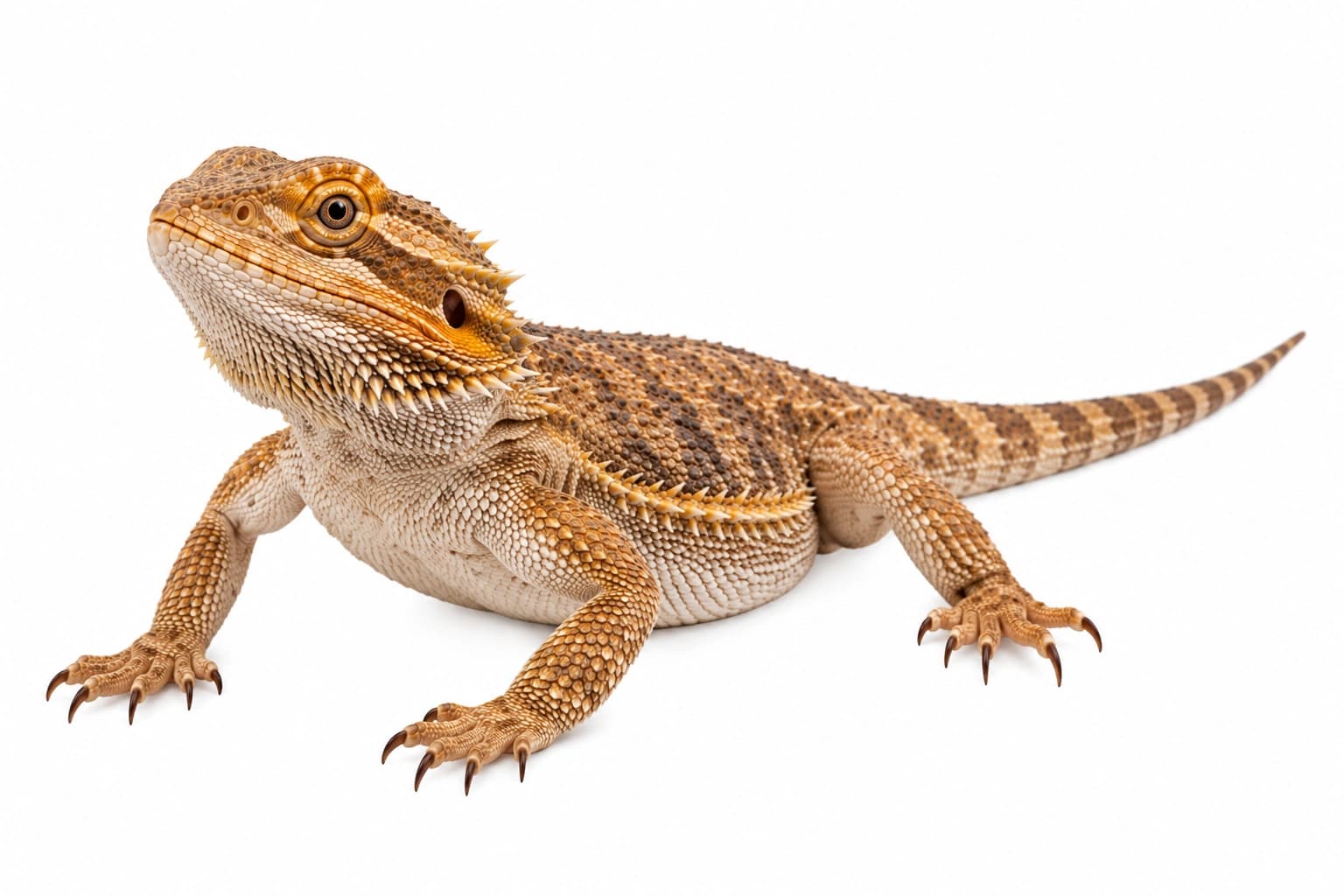
Normal
The Normal Bearded Dragon represents the classic, wild-type appearance of Pogona vitticeps. It retains standard dorsal scales, naturally pigmented eyes, dark claws and the familiar bands, spots and earthy colouration associated with traditionally patterned bearded dragons.
Genetic Morphs
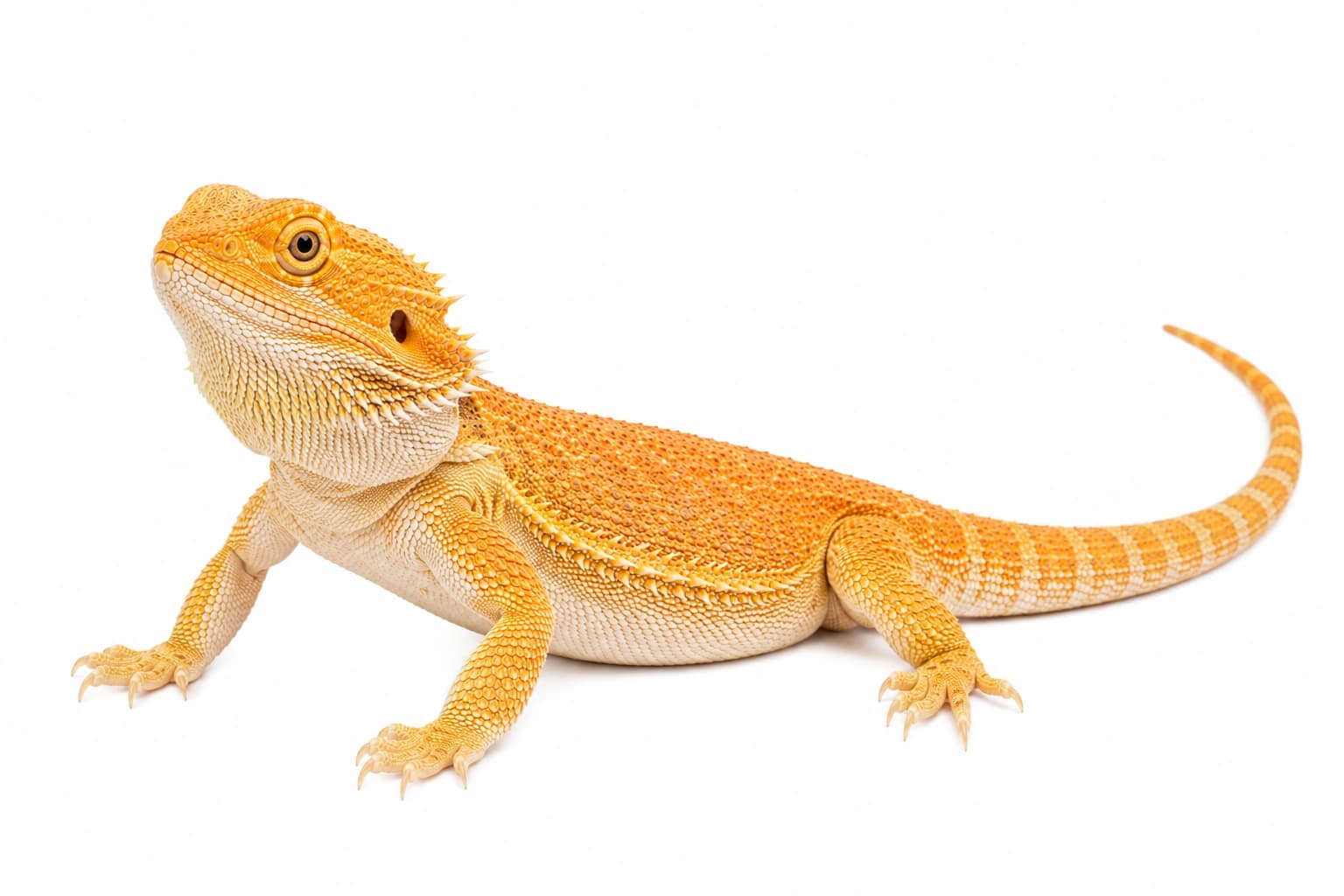
Hypo
The Hypo Bearded Dragon is a hypomelanistic genetic morph of Pogona vitticeps. It produces less dark pigment than a Normal dragon, creating a lighter, cleaner appearance while preserving the animal's underlying colour and pattern. Clear claws are the most widely recognised visual feature.
Genetic Morphs
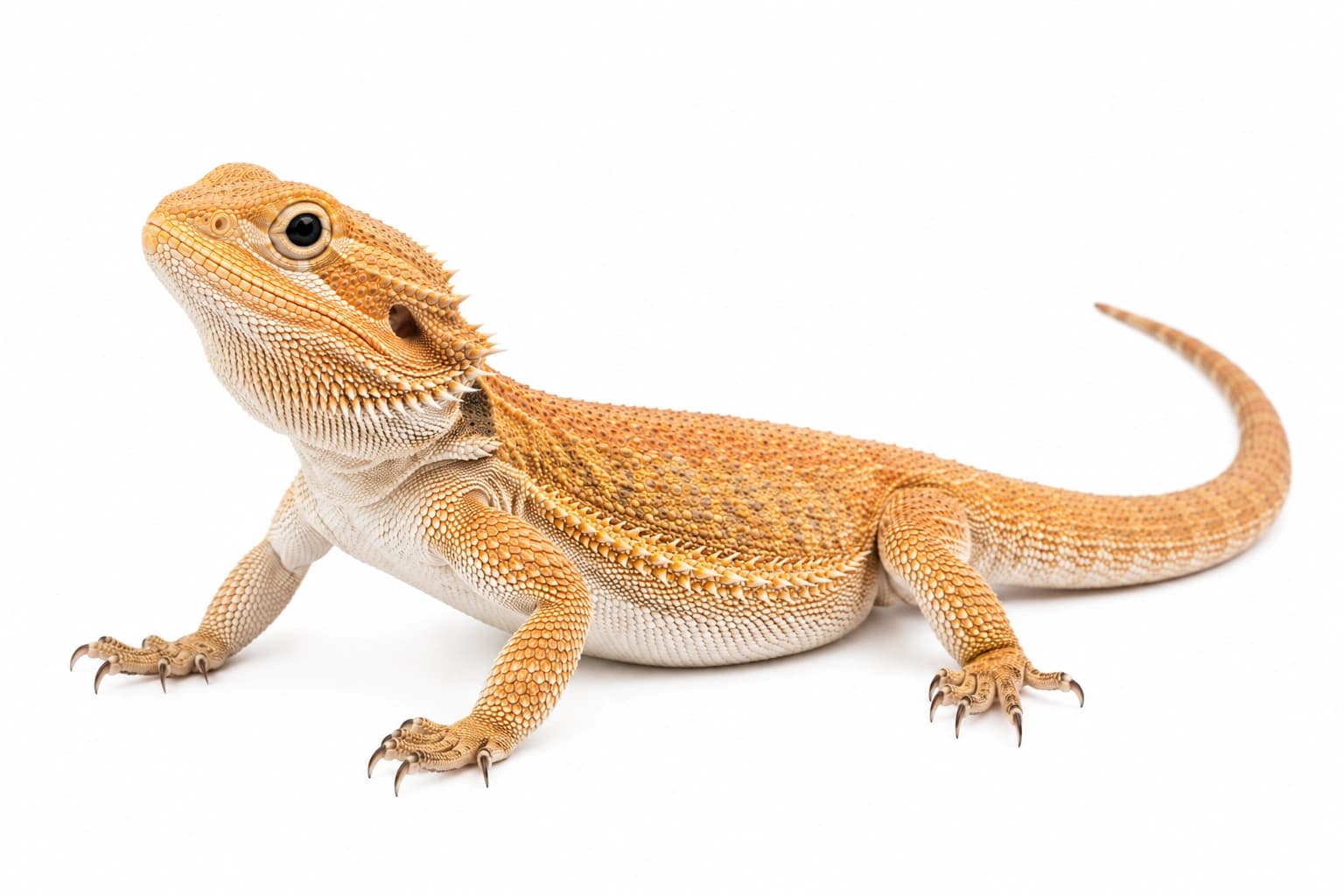
Translucent
The Translucent Bearded Dragon is a recessive genetic morph of Pogona vitticeps associated with reduced visual opacity of the skin and scales. Young Translucent dragons frequently show a blue, grey or lavender-toned belly, while the eyes may become extremely dark or solid-looking. These features can become less obvious as the animal matures.
Genetic Morphs
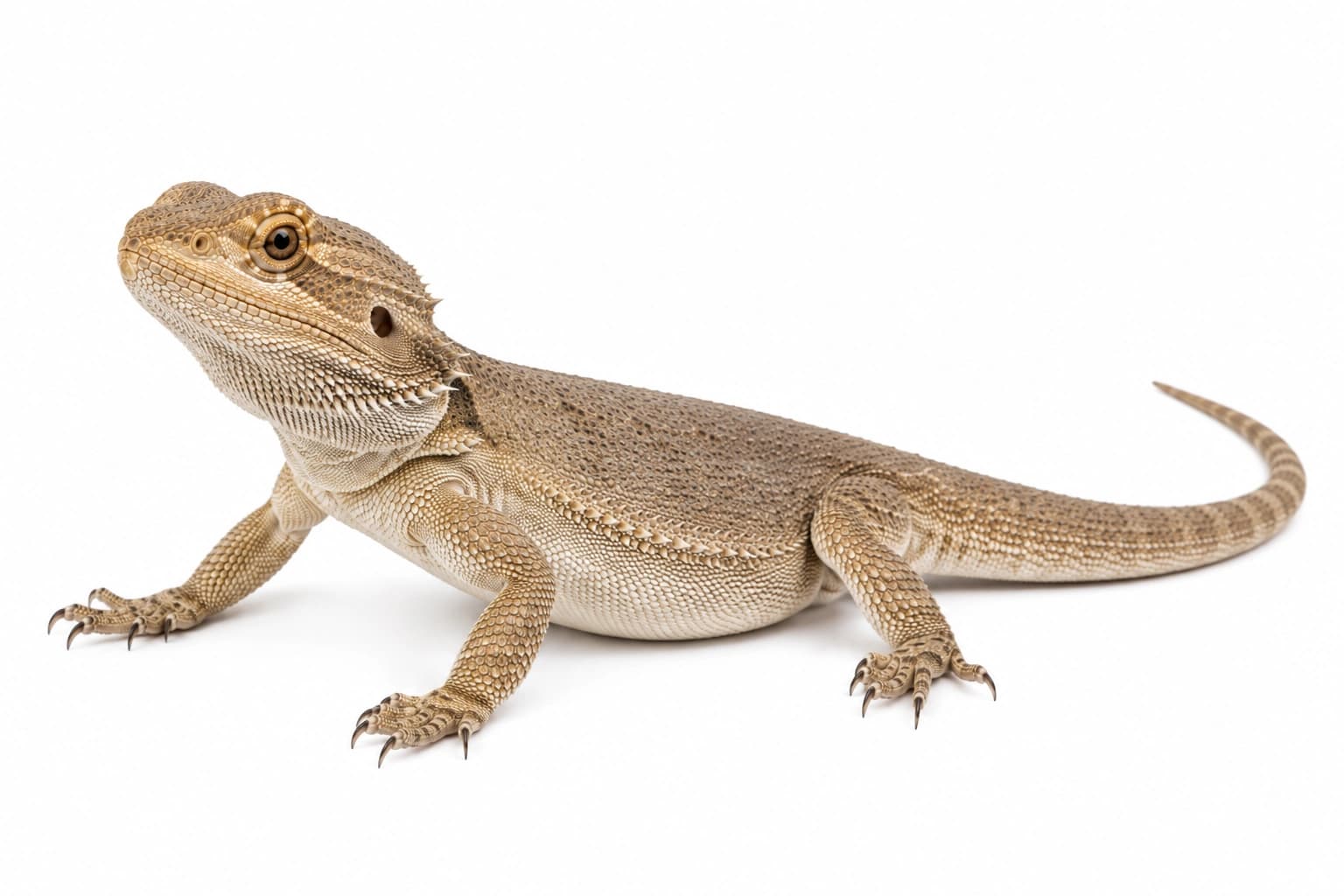
Leatherback
The Leatherback Bearded Dragon is an incomplete-dominant scale morph of Pogona vitticeps. Leatherbacks retain scales but have significantly smaller and less prominent scales across the back, producing a smoother appearance that allows the underlying colour and pattern to remain especially visible.
Genetic Morphs
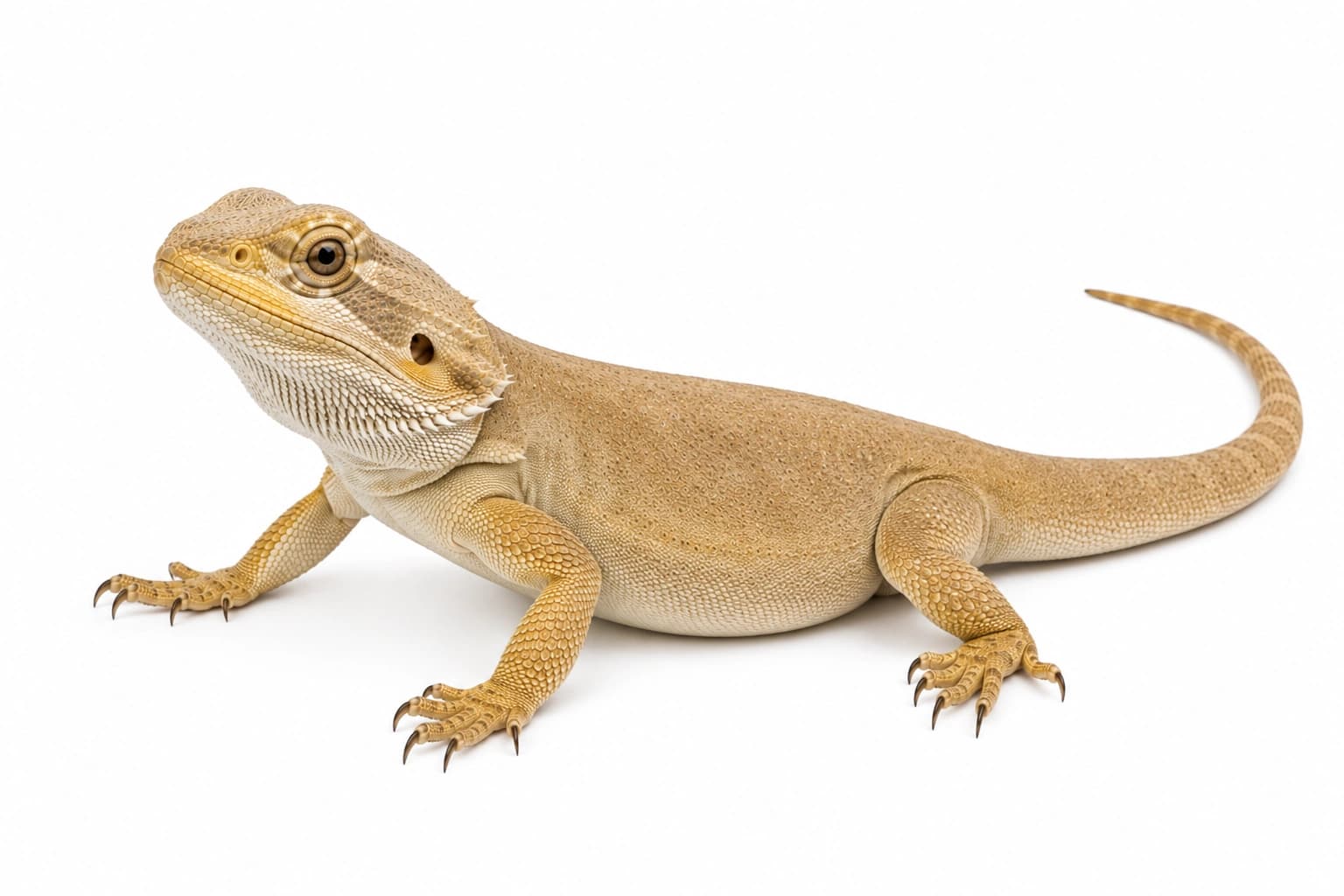
Silkback
The Silkback Bearded Dragon is the homozygous or super form associated with the incomplete-dominant Leatherback scale mutation. Silkbacks are nearly or completely scaleless, leaving delicate skin without the ordinary physical protection provided by reptile scales. This creates substantial care requirements and serious welfare concerns.
Genetic Morphs
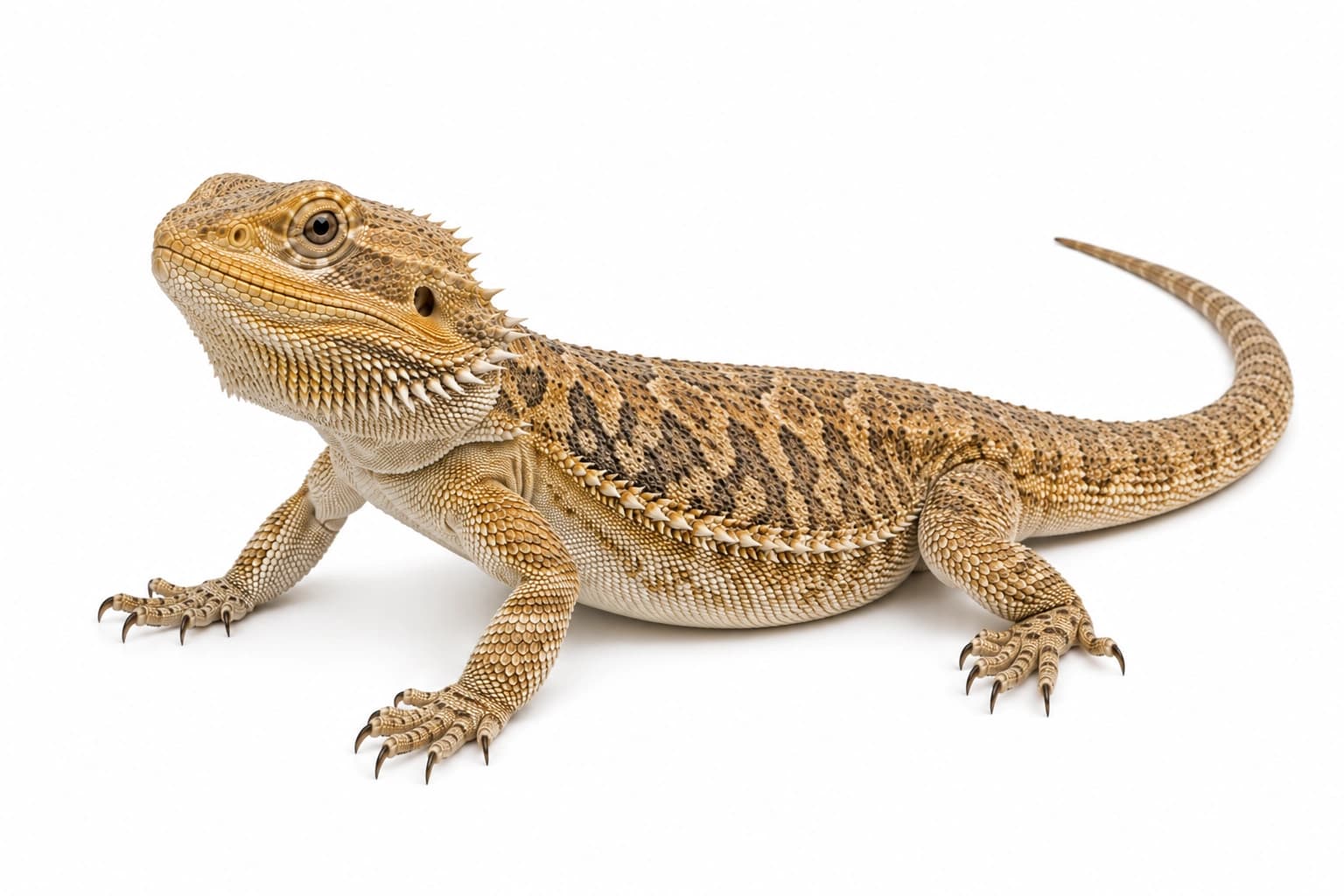
Dunner
The Dunner Bearded Dragon is a visually distinctive genetic morph of Pogona vitticeps. It primarily affects the direction, shape and organisation of the scales, producing a rougher and more chaotic appearance than that of a Normal Bearded Dragon.
Genetic Morphs
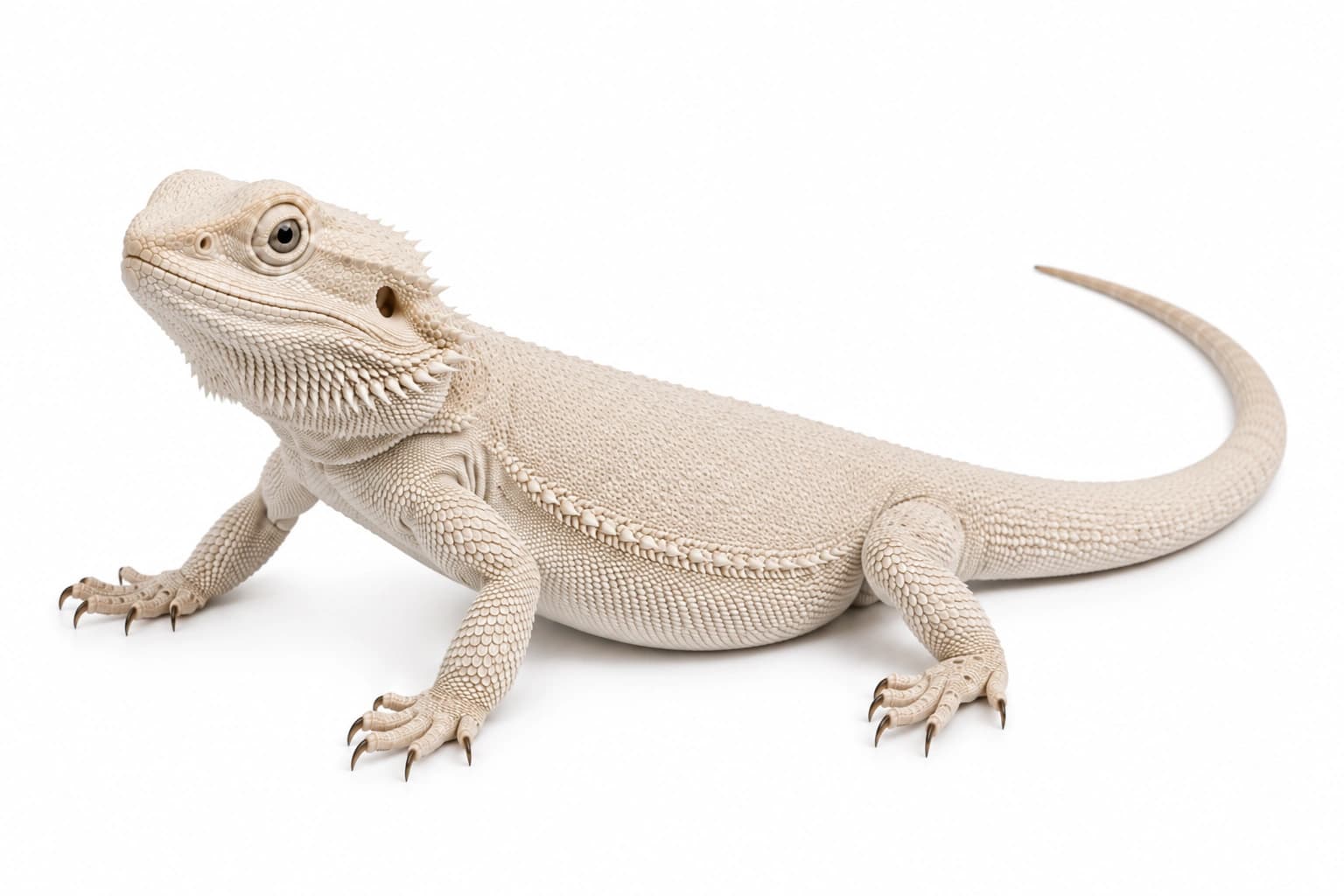
Zero
The Zero Bearded Dragon is a recessive genetic morph of Pogona vitticeps that masks the ordinary body pattern and much of the visible colour expression. Visual Zeros typically appear white, silver, pale grey or charcoal-grey without the bands, spots and dorsal markings associated with Normal Bearded Dragons.
Genetic Morphs
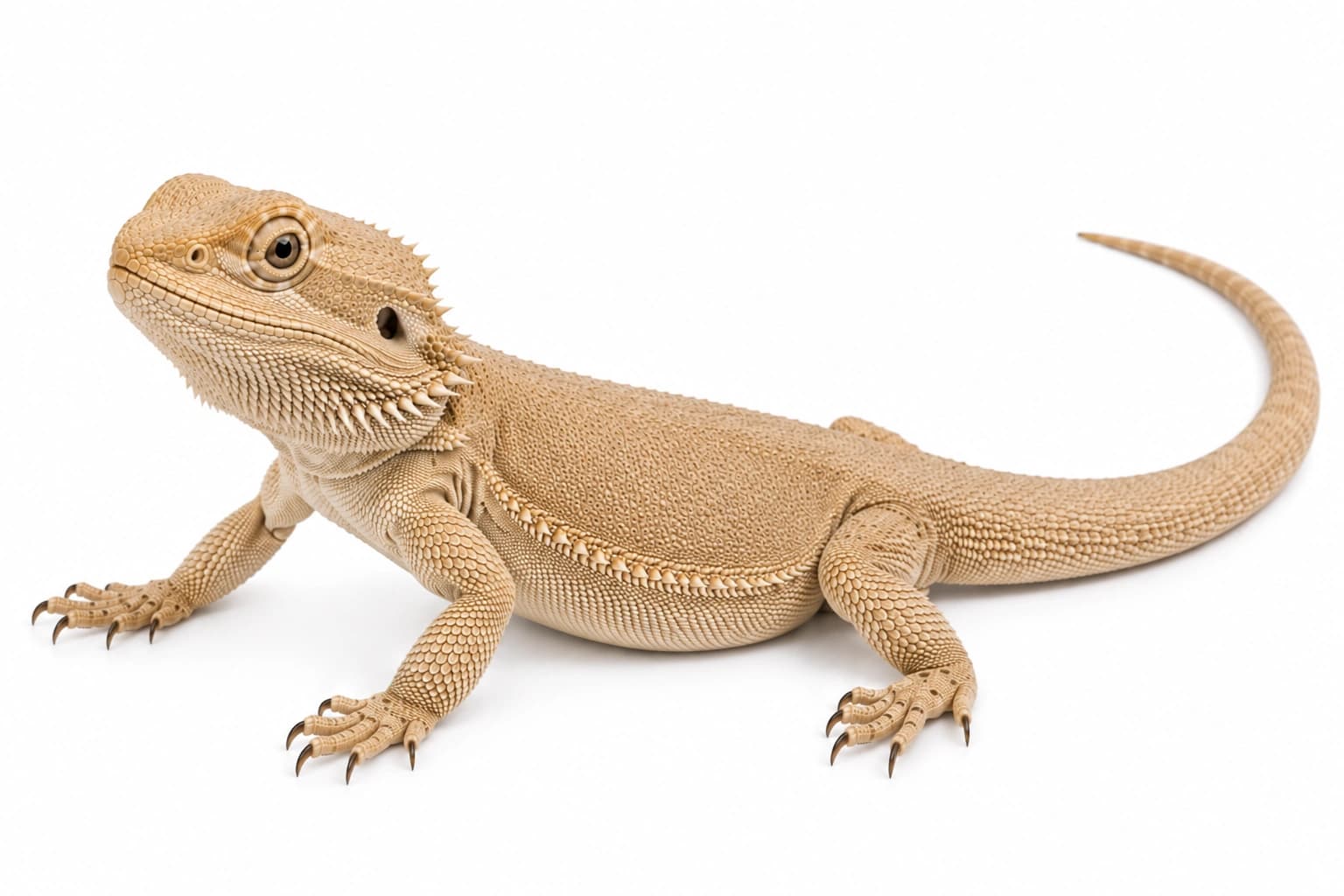
Witblits
The Witblits Bearded Dragon is a recessive genetic morph of Pogona vitticeps that removes the ordinary body pattern while generally retaining warm cream, beige, tan, sandy or muted earthy pigmentation. It is genetically separate from the cooler-toned patternless Zero morph.
Genetic Morphs
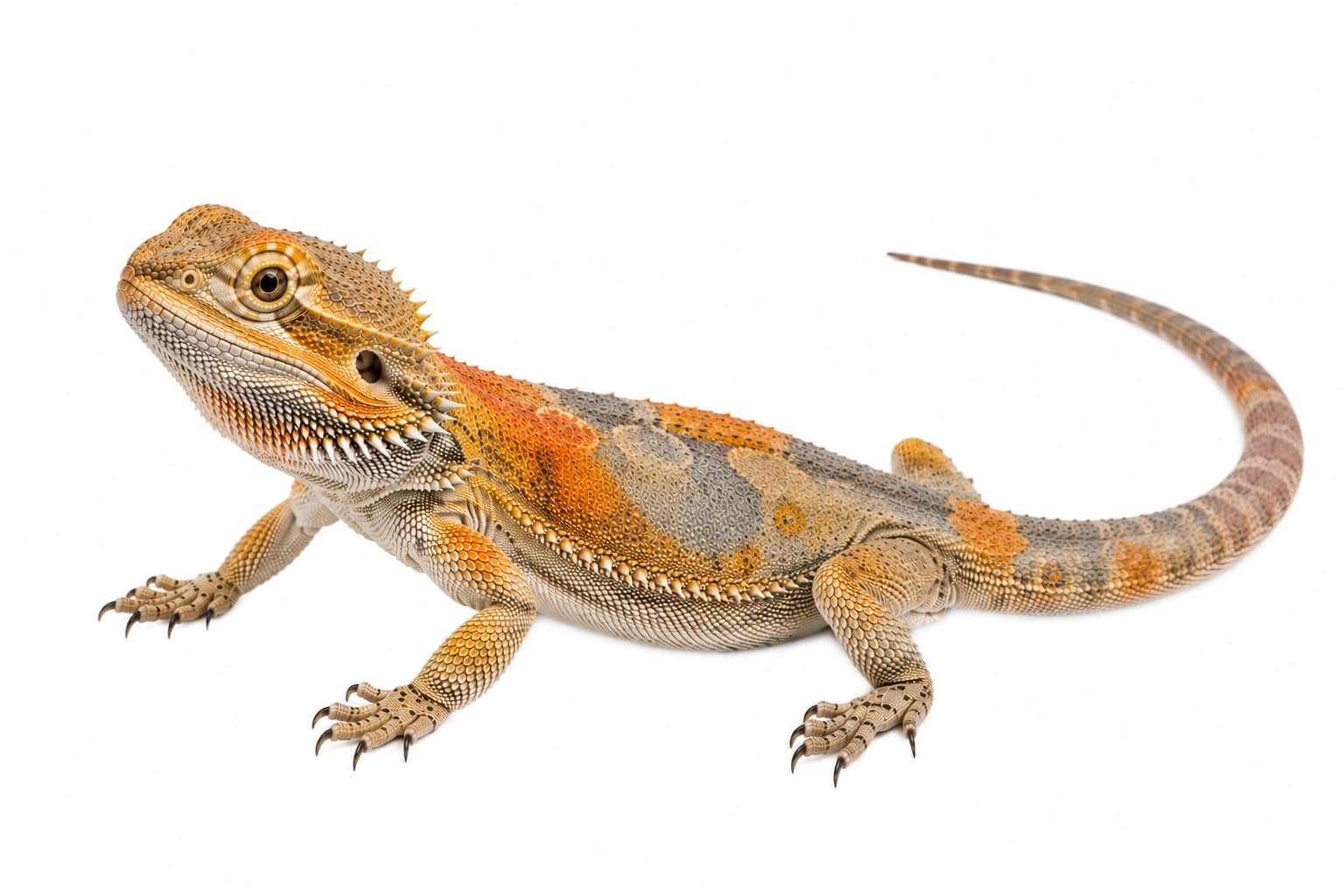
Paradox
A Paradox Bearded Dragon displays random, asymmetrical areas of unexpected pigmentation that do not follow the animal's normal pattern or the predictable appearance of its underlying morphs. Paradox is a descriptive phenotype rather than a proven simple dominant or recessive mutation.
Colour & Polygenic Traits
Colours and selectively bred traits developed across multiple generations.
Colour & Polygenic Traits
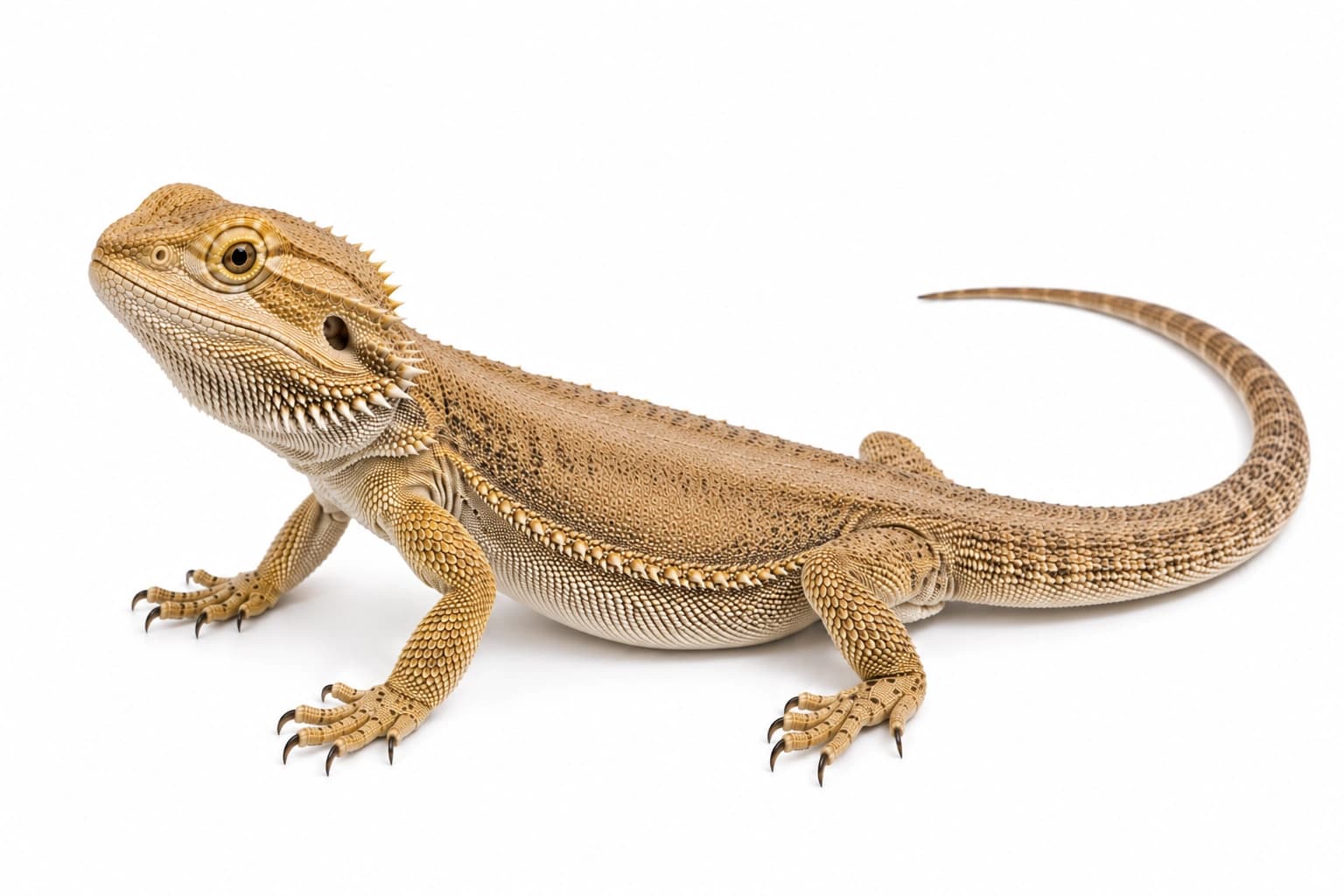
Genetic Stripe
Genetic Stripe Bearded Dragons display two organised longitudinal lines running along either side of the spine from the neck towards the tail. The trait is heritable but highly variable and is better described as fixed-poly or selectively developed than as a predictable simple dominant mutation.
Colour & Polygenic Traits
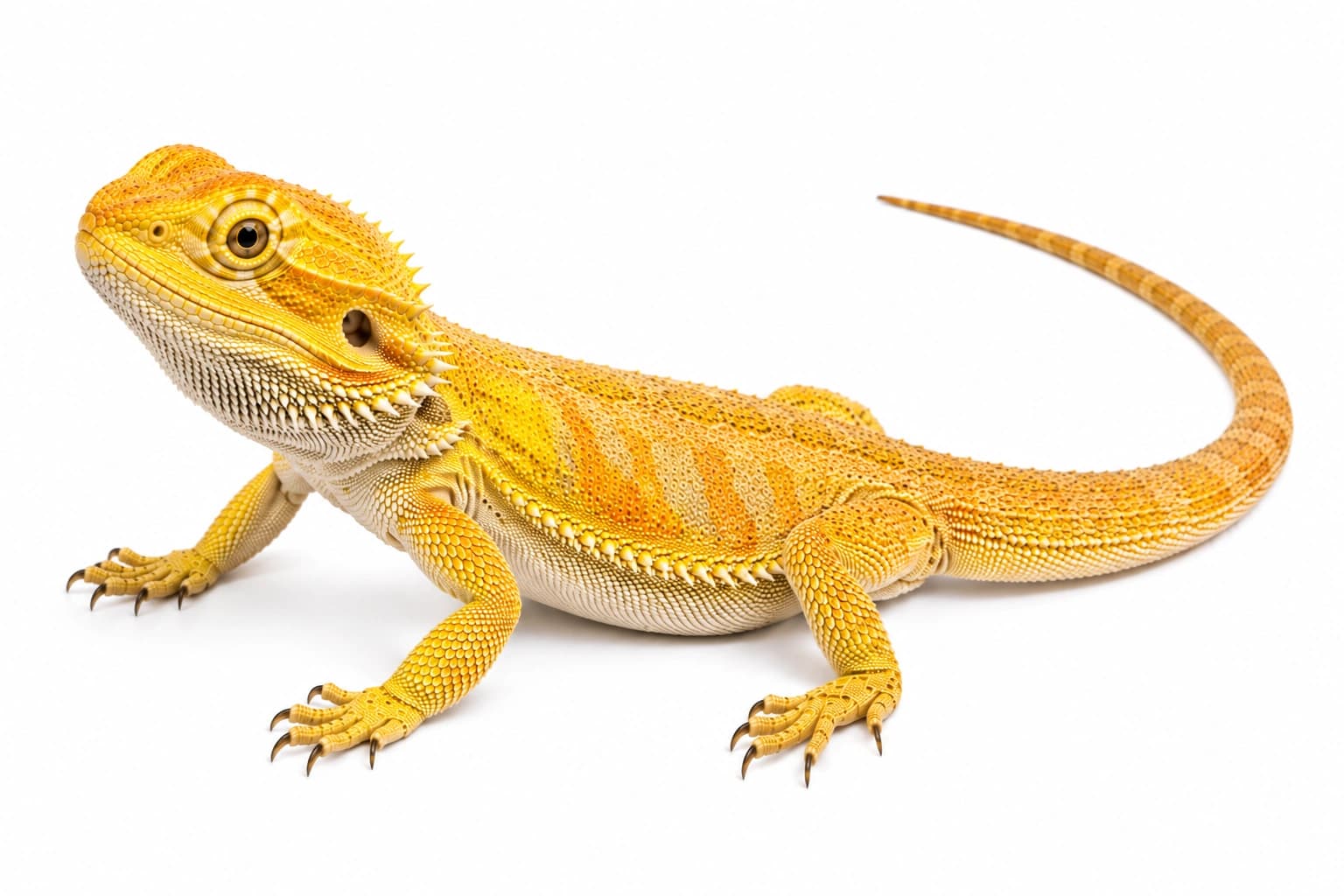
Citrus
The Citrus Bearded Dragon is a selectively bred polygenic colour line of Pogona vitticeps. Citrus describes dragons developed for strong yellow, lemon, golden or yellow-orange pigmentation rather than one simple dominant or recessive mutation.
Colour & Polygenic Traits
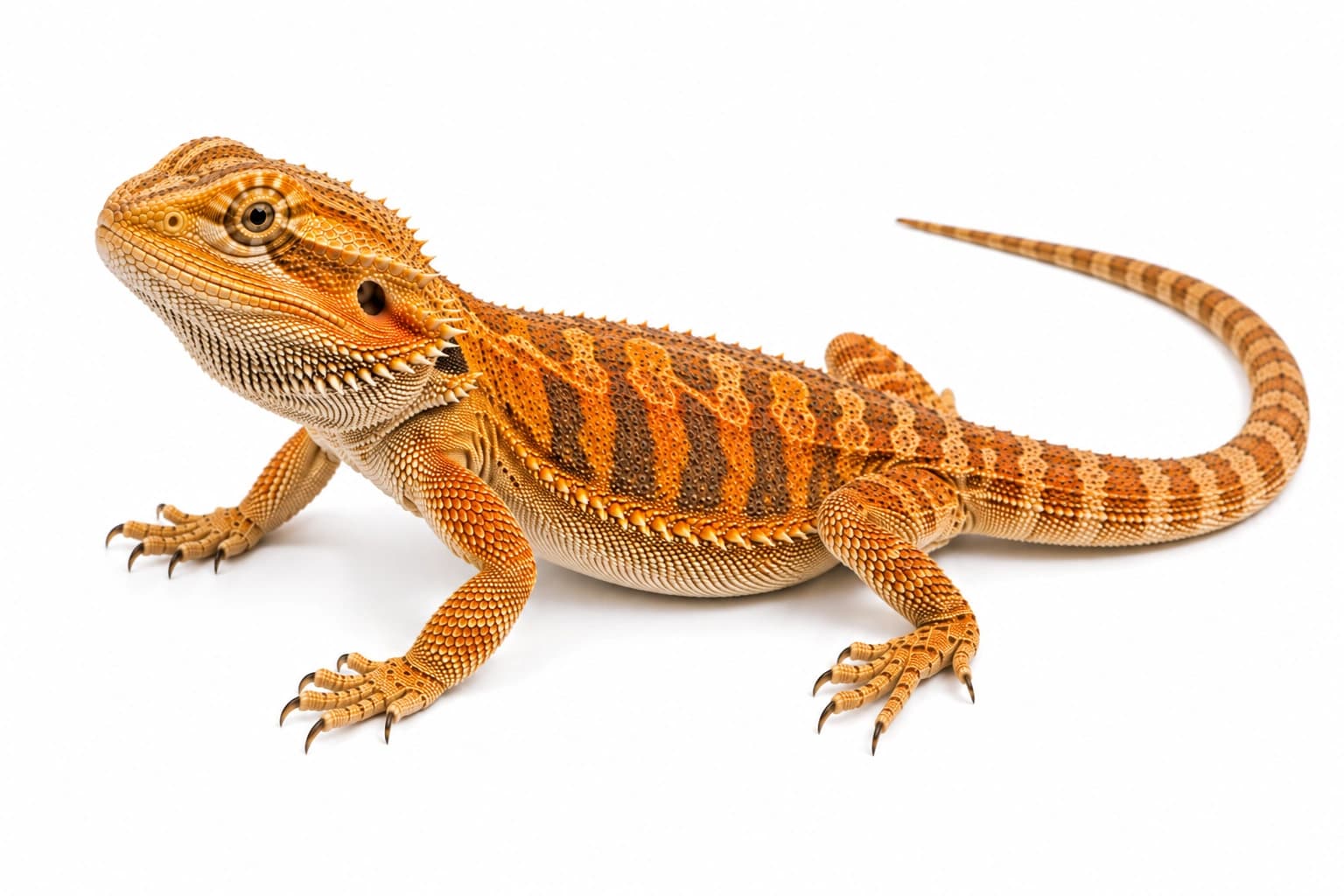
Tiger
Tiger Bearded Dragons are selectively bred Pogona vitticeps displaying strong, contrasting transverse bands across the back, sides and tail. Tiger is best treated as a pattern description or line-bred polygenic characteristic rather than a confirmed simple dominant or recessive mutation.
Colour & Polygenic Traits
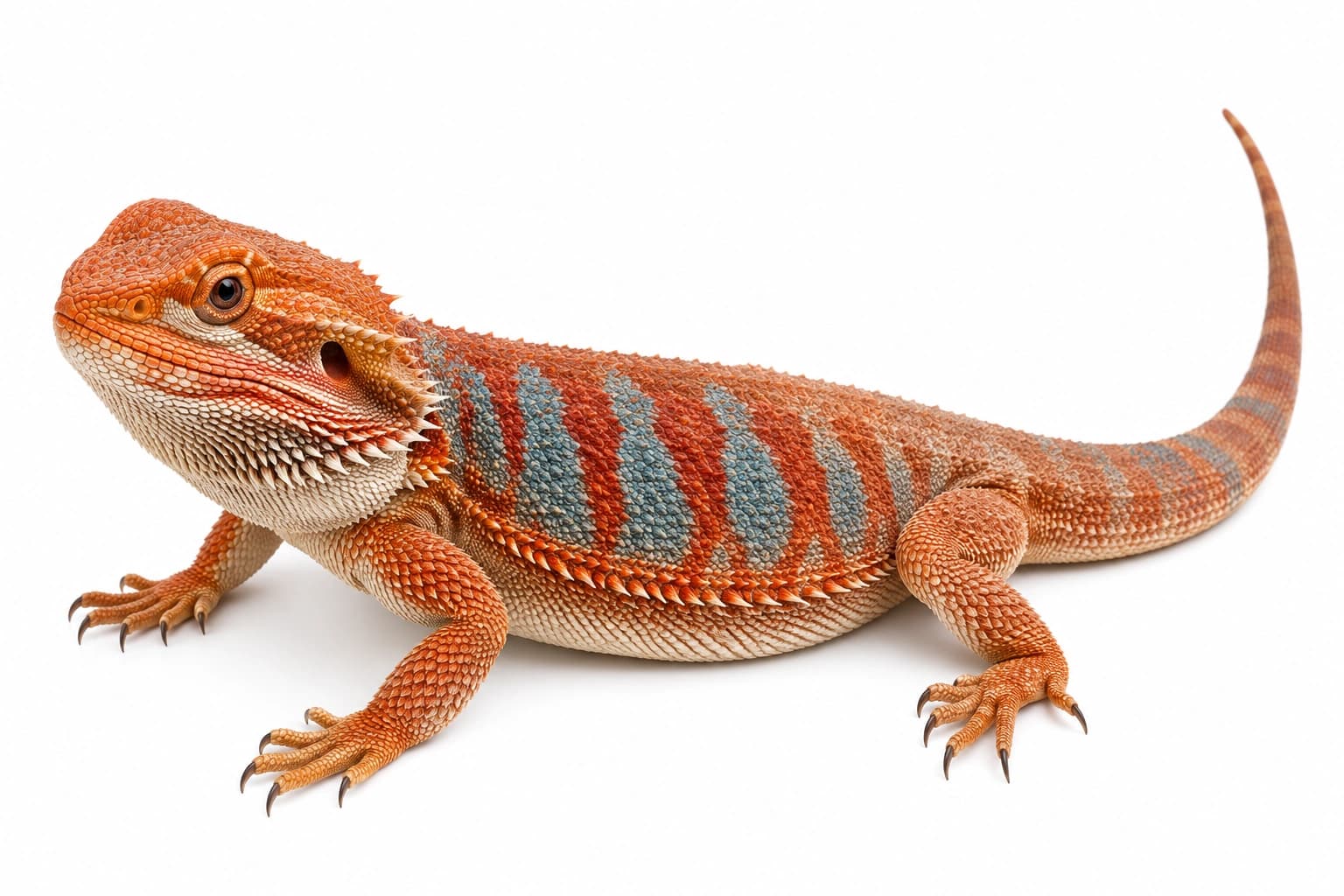
Blue Bar
Blue Bar Bearded Dragons display cool-toned blue-grey, slate or purple-grey markings along the sides, shoulders and flanks. Blue Bar is best treated as a selectively bred colour and pattern characteristic rather than a confirmed simple genetic mutation.
Colour & Polygenic Traits
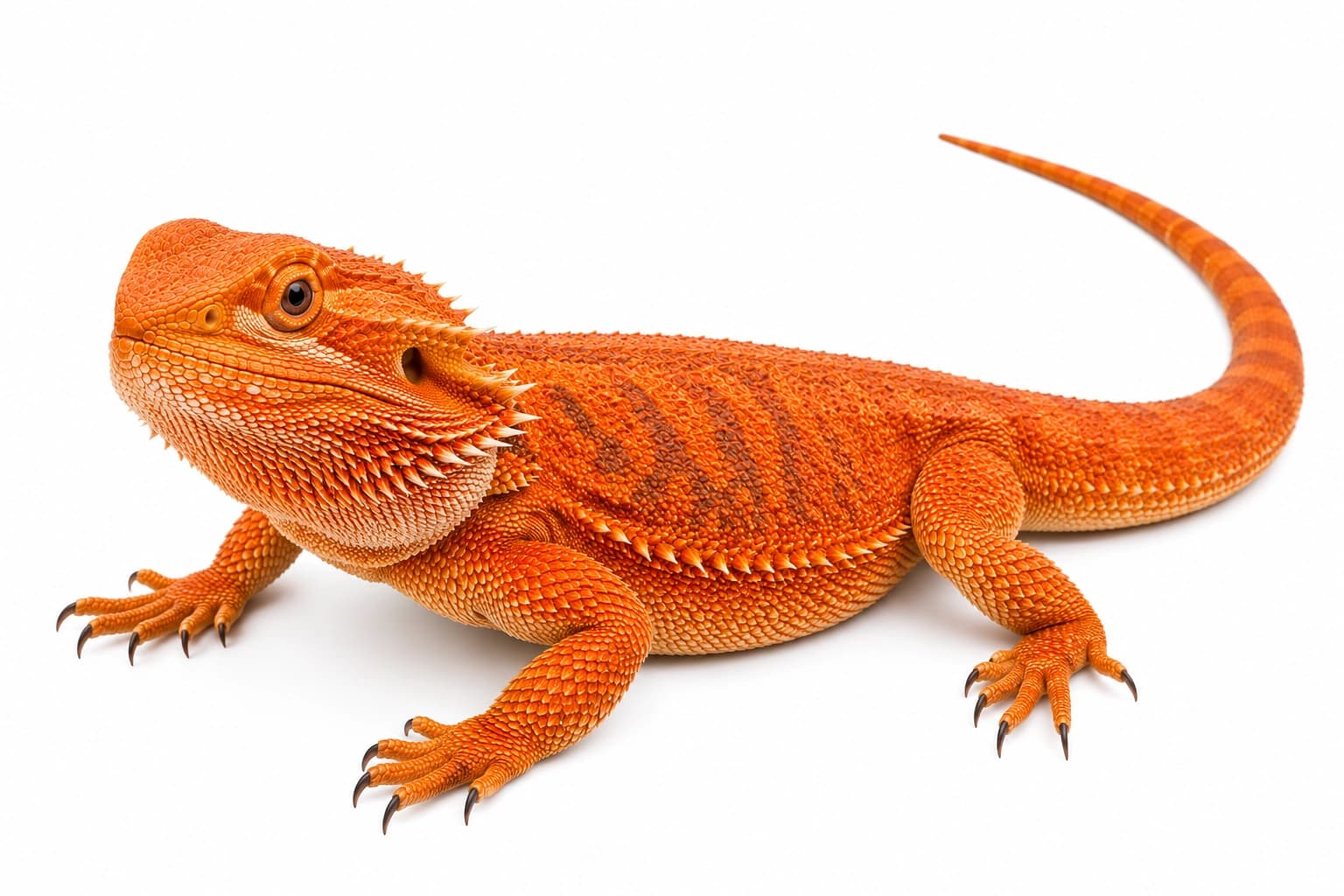
Orange
The Orange Bearded Dragon is a selectively bred polygenic colour line of Pogona vitticeps. Orange describes animals developed for strong tangerine, amber, apricot or pumpkin pigmentation rather than one simple dominant or recessive mutation.
Colour & Polygenic Traits
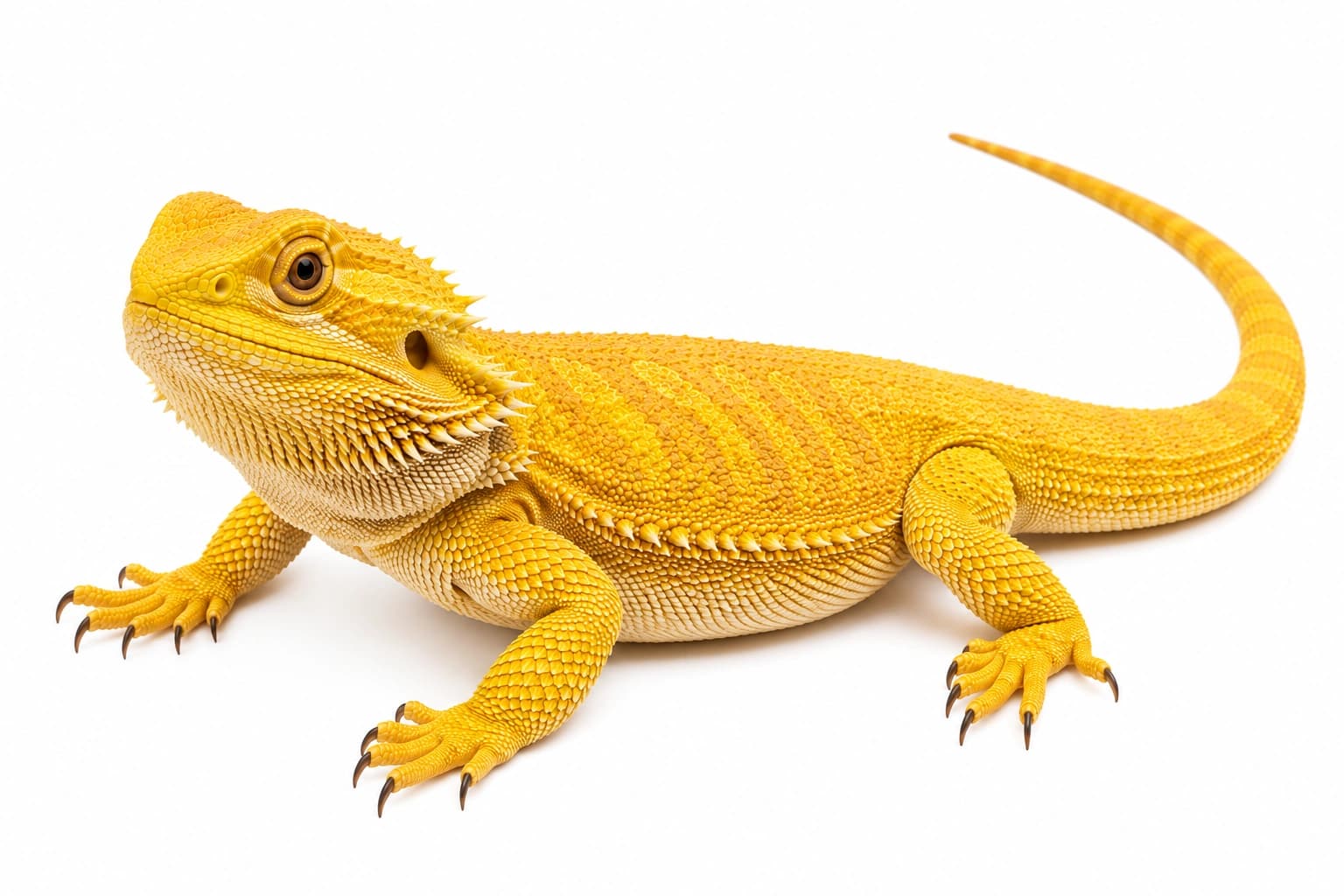
Yellow
Yellow Bearded Dragons are selectively bred Pogona vitticeps displaying pronounced golden, sunflower, honey or warm yellow pigmentation. Yellow is a polygenic colour description rather than a single dominant or recessive mutation, so its intensity and distribution vary between individuals and bloodlines.
Colour & Polygenic Traits
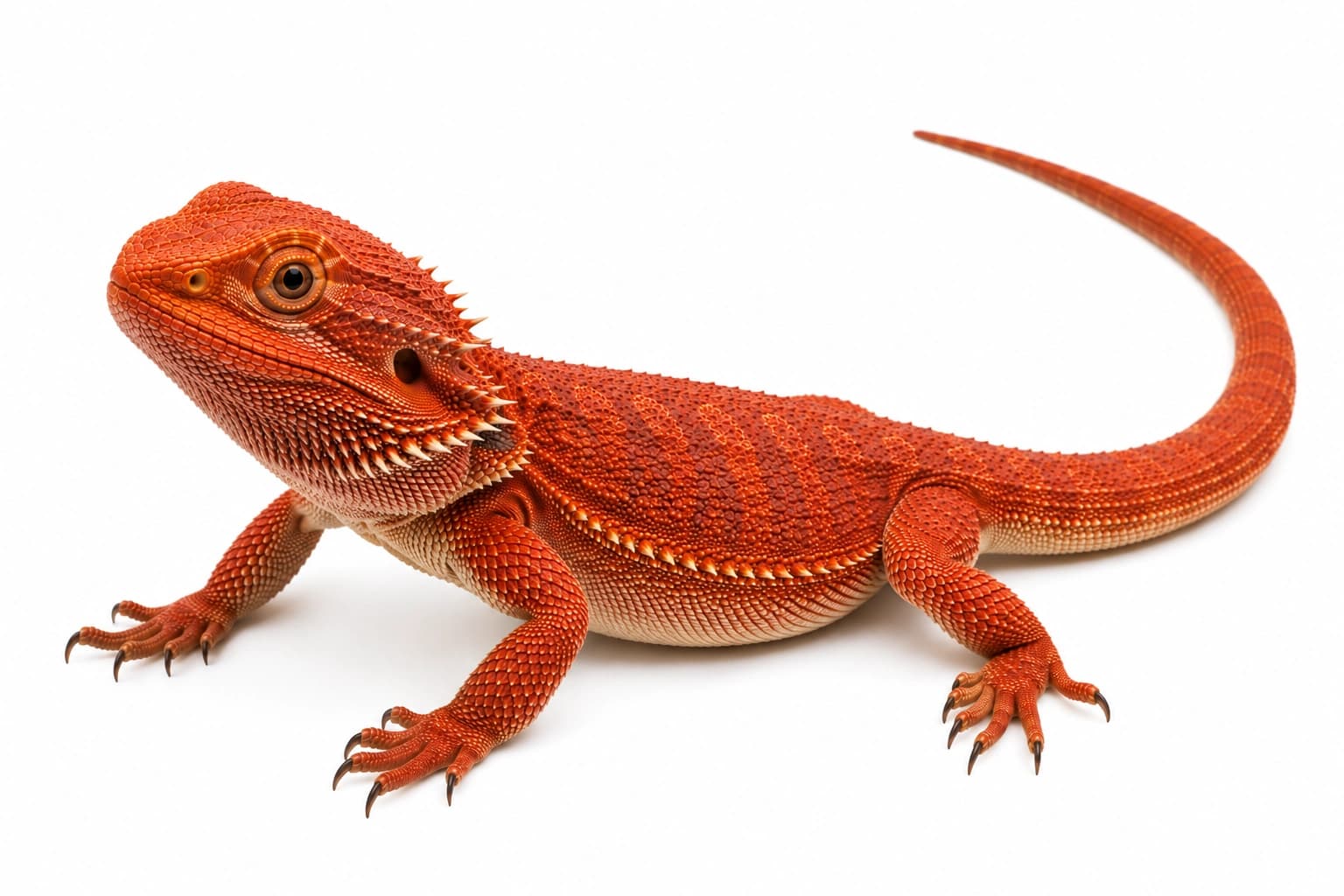
Red
Red Bearded Dragons are selectively bred Pogona vitticeps displaying pronounced red pigmentation across the head and body. Red is a polygenic colour characteristic rather than one simple dominant or recessive mutation, so shade, coverage and adult intensity vary between individuals and bloodlines.
Colour & Polygenic Traits
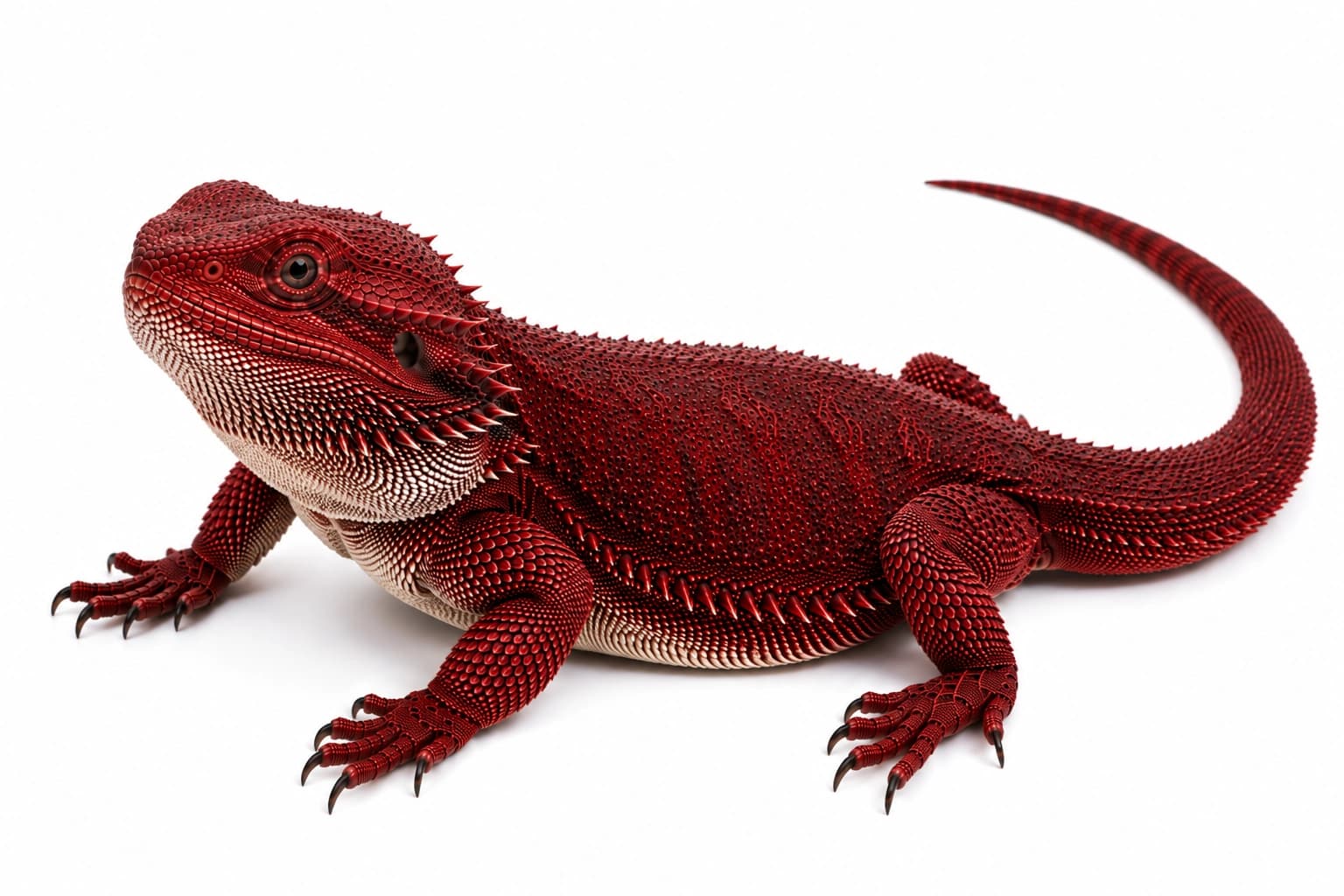
Red Monster
Red Monster Bearded Dragons belong to selectively developed bloodlines known for extensive, often exceptionally deep red pigmentation. Red Monster is not one simple dominant or recessive mutation, and reliable identification requires documented ancestry rather than colour alone.
Morph Basics
What Is a Bearded Dragon Morph?
A bearded dragon morph is a visible characteristic influenced by genetics or selective breeding. Morph names may describe pigmentation, eye appearance, scale structure, body pattern or a selectively developed colour line.
Hypo, Translucent and Leatherback are inherited genetic traits. Citrus, Yellow and Red Monster are selectively bred colour lines. Blue Bar and Tiger describe visible colour or pattern characteristics.
Several traits can appear in one animal. A dragon may, for example, be described as Hypo Translucent Leatherback Red, with each term describing a different part of its genetics or appearance.